[00:00:00] Speaker A: Foreign.
[00:00:11] Speaker B: Welcome to wealth on Main street, where
[00:00:13] Speaker A: conversations about growing your wealth are fun and entertaining. Wealth isn't just about money. It's the skills and the knowledge that
[00:00:21] Speaker B: we develop to pass on to future generations. Tune in each week to grow your mindset and your net worth at the same time.
[00:00:35] Speaker C: You realize at that point that you gotta grow up. No one's coming to save you. My mom was great, kept the roof over her head and that. But my brother and I just had to figure out our financial way and who would go on a trip without travel insurance. They realized that accidents happen. They don't take care of the stuff that can change the trajectory of their lives forever. Let's just embrace that life is uncertain. And so once we embrace that, let's take the next step to say, what can we do? To just do the best we can to prepare for those uncertainties. Unfortunately, that got sidetracked because of life and because of the loss of my daughter. And I just shut down for about a year. What really changed in the course of that tragic moment was you realize what I was doing. I was comfortable in the corporate space, but I was extremely unfulfilled. I need do something different where I can have an impact and actually be best example for my daughter that I could.
[00:01:34] Speaker D: What would 16 year old you think of the man you've become?
[00:01:38] Speaker C: We are the hardest critics on ourselves. And if I was to again have the same compassion for myself as I do for, you know, the people that come into my life, he's taking care of his family.
[00:01:48] Speaker D: The role in serving people, it plays a role in healing. You know, life doesn't send a calendar invite before it changes forever. We really, truly don't know how much time we have with the people that we love. And don't wait for life to remind you of what matters. Call the person. Right. Take the trip. Have the crucial conversation, create the memories.
[00:02:10] Speaker B: All right.
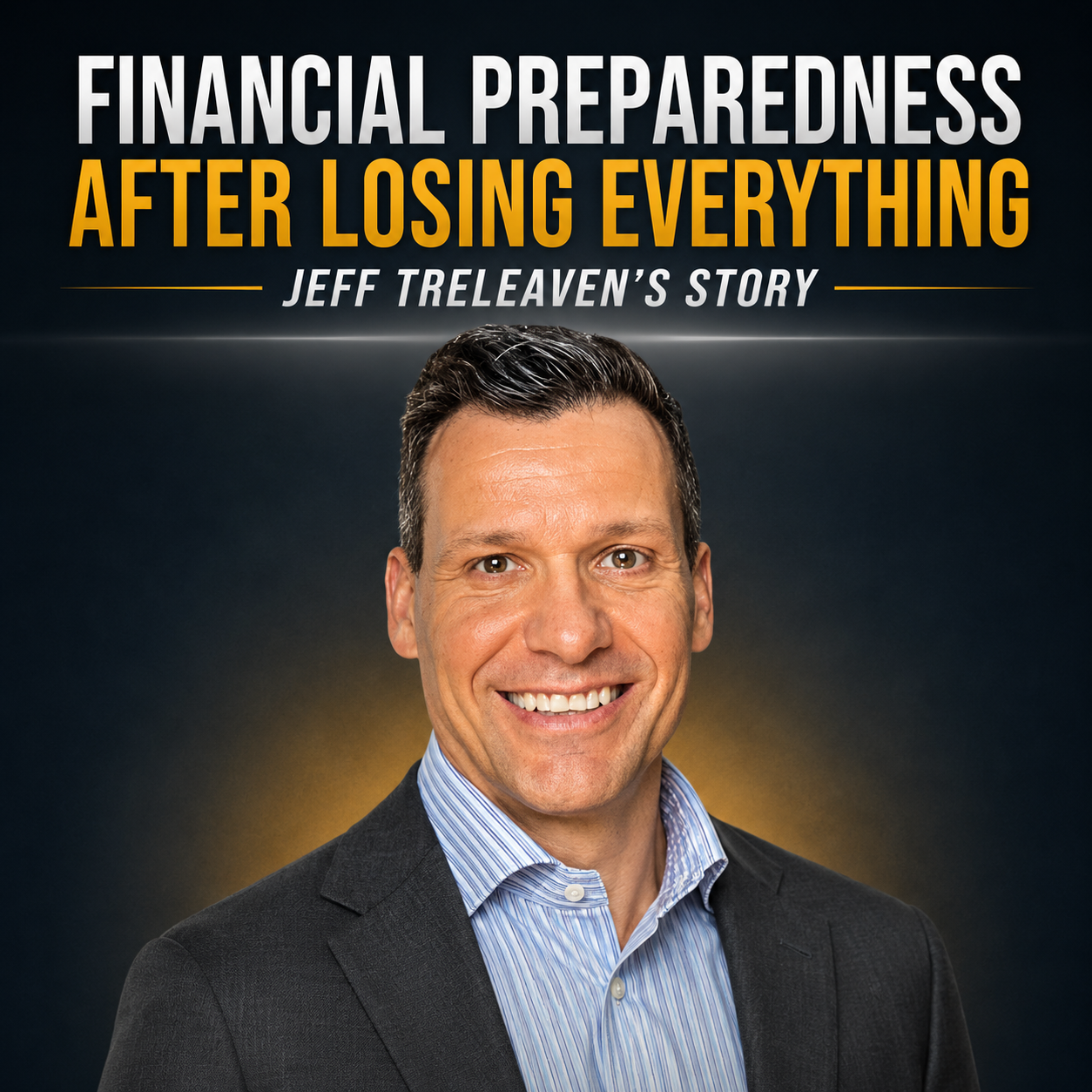
[00:02:10] Speaker D: Welcome back to wealth on Main Street. And today's episode is with another one of our teammates, Jeff Trelevan. He's just an awesome teammate. And, you know, this is. I promise this can be one of those conversations that I think will remind everyone who watches and listens that money is never just about money. It's. It's about the people that we love and the future that we're all trying to protect, and especially more so, the moments that we never saw coming. And as Jeff can relate, as I can relate, you know, the strength that we somehow find when life changes, you know, in a single phone call. And Jeff is, you know, he's a father. He's a man who's walked through grief most people can't even imagine.
Losing his dad at 16, losing his oldest daughter suddenly in 2023. And. But through that pain, he. He found a much deeper calling, and that's to help families build agency, resilience, you know, and control and, and to be prepared. Because we, the three of us and everyone watching, I mean, we, we can agree life, life's unpredictable. And the question becomes, you know, what. What have we built that can hold us up when everything else feels like it's falling apart? And so this is a conversation about grief, fatherhood, financial truth, and what it means to serve people when you know personally firsthand how fragile life can be. And so to all our viewers and listeners, you're. You're going to feel this one. And so, Jeff, welcome to the show.
I need to ask you, because, you know, I, I lost my dad, too, and I was in, you know, my early 20s, and you were 16. What changed in you that maybe no one around you could fully see at that time?
[00:04:07] Speaker C: Yeah, it's you. You find, for me, it's like childhood changes in a moment. So you realize at that point that you gotta grow up, you know, no one's coming to save you. My mom was great. You know, she was there to, you know, she, you know, kept the roof over her head and that. But my brother and I just had to figure, you know, figure out our financial way. And, and it's, it's interesting. It's like, I would say a part of that is that, like, your, Your childhood stops in the sense that you real, like, you become an adult in a way that most people on outside don't see it anymore. And, and it wasn't until years later that I recognized that wasn't the adaptation that happened, but what that led to. And we talk about was you start figuring things out on your own.
And my brother and I, actually, Troy's been on the podcast is. He's, he's always been a good rock for me. And, and we were like, always figuring ideas, how are we going to, you know, how are we going to make things happen, you know, you know, starting a business or investing in real estate. And so we always did that. And, and it's just. But those conversations came from those early need of just, you know, now it's time to, you know, like, you're gonna, you're gonna find your way. So, so, yeah, so that led into. I wanted to go to university.
Well, figure out a way to do it. Figure Out a way, pay for it, you know, and so you do that and you get through that and then you just, you know, continue on and, and yeah, so that was, that was the biggest thing, you know. But I will say one thing is I, looking back, the lessons I got from my dad were protector, provider, work ethic, like, like no else, self made. And yeah, it's, it's, it's what I hope to pass on, you know, to, to my daughter too, you know, and let her not know. Hopefully she never has to experience that.
Yeah.
[00:06:18] Speaker D: And you know, what parts of those qualities in your dad still show up in the way that you serve families today?
[00:06:25] Speaker C: Exactly.
[00:06:26] Speaker D: It's.
[00:06:27] Speaker C: Well, how that shows up is when I can meet people where they are. And also I'm again still learning how to coach people in this very, it's this unique world we're in because yeah, we're talking finance, but underneath we're all trying to, we're all trying to figure out to secure a safe place in the world. And so I'm speaking to people about finance and, but we're doing it and they are often doing it because of family. They're doing it because of how they want to care for the people they protect. And, and sometimes if I share a bit of my story and recognize that the things that people don't want to talk about are the things we still have to prepare for. Because even though you don't want to think about it, you know, you said you, you, you can get that knock on the door, you can get that phone call and you want to, I've learned the hard way, you want to have that stuff lined up before that time ever comes, you know, Amen to that.
[00:07:28] Speaker D: I, I can appreciate every word that you're saying and I know that a lot of viewers and listeners of ours can too.
[00:07:36] Speaker B: And it's, it's difficult to. Sometimes I think for people to even think about some of that planning is, is difficult or it's uncomfortable, like it might be uncomfortable, I think for some people, because they don't. It brings up the thing that you don't want to think about. And I think to some degree people shy away or may hide from that, but the reality is you have to prepare. There is, you know, you wouldn't go, most people don't go on a vacation where they're gonna get on an airplane and fly to like Hawaii or you know, you're gonna go across the pond over to the United Kingdom or something like that, and you're going to be gone for two Three weeks or a month. You wouldn't plan a vacation like that on a whim. And just the day, you know, 30 minutes before you get in your car to go to the airport, you shove some stuff in a backpack and you go like, do you have your passport? Do you have this? Is your, you know, like is your tickets booked properly? Do you know when you're supposed to be there? Is there a train? Is there a hotel? Like you need to have some of those things put together, but yet they'll spend more time planning for that than they will planning for the thing that we know is going to happen for sure.
[00:08:38] Speaker C: You maybe when you were saying that, I was thinking, and who would go on a trip without travel insurance or without luggage insurance? Like they realize that accidents happen and they're more than willing to. In a. You. They wouldn't think of doing that, but they recognize that, you know, they're more willing to get insurance for things which will be largely inconsequential in the big scheme of things. But they don't take care of, you know, they don't take care of the stuff that can change the trajectory of their lives forever.
[00:09:12] Speaker D: It's so true, you know, for, for the family, for the family that's listening right now who, who has been through loss and uncertainty or you know, like a major life disruption. What would you want them to hear?
[00:09:28] Speaker C: Man well, let's just embrace that life is uncertain.
And so once we embrace that, let's take the next step to say what can we do to just do the best we can to prepare for those uncertainties.
And, and really that's what I'm saying is, is that some level of preparation be it, you know, and not just what we do, not just, you know, life insurance, not just infinite banking, but making sure you got a will in place, make sure you have things in place or even plans. You talk to the people you, you love in terms of what will happen and they're conversations that most people are uncomfortable to have. And I got to say, I'm still no expert and I have an 18 year old daughter and, and you know, you can imagine trying to have those conversations with her, but they're important. They're important. Have the conversations and just by having the conversations comes clarity in terms of what to do, you know, so it's important and that's why I love talking to people about this is just, let's help find some clarity in a way forward, you know, 100%.
[00:10:41] Speaker B: Yeah. Desire to circle back and, and get started in joining us. Then and being a part of this work that we're doing now, Jeff, your road map of doing that is certainly different, I think, than the average person just given the circumstance of the life that's happened to you. But you started with some whole life insurance that you had in place and you realize you kind of learned about this. You, you started using it, you know, in the early, you know, 2021's kind of like pre Covid situation.
What, what, what was the, what was the pivot point that had you say, okay, oh, I, I have this, or I'm going to start this, I'm going to start using this. Where did that end to your life? And then I think we can kind of, we'll navigate ourselves to eventually where you find yourself here, where you're helping other people do that.
[00:11:25] Speaker C: No, great. It's, yeah, it was, it was funny because the road. Well, as you know, Richard, we talk, you know, I'm definitely a quick start. So often it's ready, fire, aim, you know, and, and so, you know, I've been picking my way through my whole life. You know, first I invested in real estate, still do, you know, and then it was private lending and then it was investing in businesses, then it was precious metals and stock securities, whatever. And so you're picking your way through things and probably doing okay by most measures.
Things. Still don't feel like you're still like going, man, like I still have this sense of, oh, you know, there's, there's this still this kind of bit of underlying unease. And I realized what it was was I'm still taking on, I'm doing all of this and I have huge risk exposure.
[00:12:12] Speaker A: Are you tired of watching your hard earned money leave your family and go to the banks? Look, our number one best selling book, don't Spread the Wealth, shows you exactly how to build a family banking system that creates true generational wealth. Get the free digital copy, plus over 4 hours of bonus videos and our guide to hosting family banking meetings go to don'tspreadwealth.com that's don'tspreadwealth.com I'm the guy handling it all.
[00:12:38] Speaker C: I'm the guy who has, you know, all the cards on the table. And if something happens, I mean it could, and especially it's all, even though it's diversified, it's all tied into the larger economy. So if you know something's going to happen, something's going to go, it's going to have a bit of a domino effect. And so it's funny I was speaking to my financial advisor and they still do a small part of my portfolio. I do half or two thirds. They do a bit just to have some sort of counterbalance in terms of. And so we were having a conversation and we were talking about diversifying risk and life insurance came up and at that point again, this was back. Oh, this went back even much earlier. So this would been 2016 was when I got my first whole life policy, had term before that, you know, did the rental thing and they got my, got my whole life policy. And the only things we focused on at that time were wealth diversification and maybe mitigating a bit of risk.
So we had no clue about ibc. I had no clue about ibc. They definitely didn't know anything about ibc. It was, for me, it was just, it was a whole life policy, you know, and as I had it for a couple of years, you know, you're paying into it and then you're thinking, man, my money's just sitting there, rate of return sucks. Like you're, you're going like. And I saw, I kept talking to my advisor saying, is there something more we can do with this? Is there something more like I, I'm putting money into this thing and I can't use it. He goes well, you know, maybe, maybe way down the road, maybe you can maybe take a loan on it or something. And so I wasn't satisfied. Every year I'd come back to the office, I'd say, man, can we do something with this? So then of course, being a bit of a, a quick start, I start searching for stuff. I find some US content.
You know, you're getting, you know, these people talking about IBC or various strains, you know, you know, you know, make money, you know, make money buying cars and stuff. And so I saw that and I think I got an ebook of, of, you know, maybe it's BYOB or something. And I said, oh, this is kind of neat, this is interesting. And of course no Canadian content. And so of course being a self starter, I said okay, what can I do with my policy? What can I figure out here? And, and I was starting to look at how I could be utilizing it. The good thing was it's with one of our favorite lenders or one of our favorite insurance companies. So I said, oh wow. So there's, I started looking at options and unfortunately that got sidetracked because of your life and, and because of loss of, of, of, of my daughter. And, and so I just shut down for about a year and, and When I started coming out again, I remember still thinking about ibc and I don't know how it happened, but Instagram, I got something from, oh, what's this? This is Jason guy clicked on it, started going down the rabbit hole of Richard and Jason's videos.
And of course then I did actually, I, I, I go, oh, I have a life insurance policy. This is, this is, this is, makes, this is making more sense now. So got in touch with, actually, you know, signed up for a, for a, a meeting and got connected with Sebastian and Sebastian's a great coach and we had some fantastic conversations and he flipped the way I looked at this, he flipped the way because I was looking at this product, product, product and he helped me flip in terms of saying, no, this is like this is a process and this is just, and this is a tool. And, and so, and then of course he had me reread this book here and, and, and everything started to open up and I got really excited, started immediately building my system, expanding it.
And through that process, I mean I said, and I've been already doing executive coaching, so I've been doing executive coaching on the side. I love working with people and through the process of working with you guys and the team is, I said this is something, I said, this ties two of my passions.
I love coaching, working with people and I also am passionate about finance and helping, you know, helping building financial security. So I reached out and you know, and, and certainly after a series of conversations and, and then a bit of self start of my own, eventually, you know, we, we got the ball rolling. I got a chance to join you guys. But if I had to circle back through all that, what I skipped over was what really changed in the course of that tragic moment was you realize what I was doing. I was comfortable in the corporate space doing well, but I was extremely unfulfilled.
And I just said, look, I need to do something where I'm having more of an impact. I've been, you know, I've been kicking this around for several years and then it's just that I just, I need to make it, I need to do something different where I can have an impact and actually be, be a best example for, for my daughter that I could. And so, yeah, so that's, that's the, that's the long messy story. But yeah, that's kind of why we are talking today.
[00:18:16] Speaker D: Well, when you joined our team in that, that would have been 2025, what, what made you feel like this was the right place to do meaningful work?
[00:18:27] Speaker C: Well, I've always believed that you align yourself with the right people.
[00:18:36] Speaker A: Yeah.
[00:18:37] Speaker C: And so all my research was saying ascendant, best reputation, track record of doing this, you know. And then of course my personal experience had been excellent.
Not only like even working with a coach and a team, I still had the opportunity. So other coaches were helping out, you know, and, and you just got a chance to see an organization which was really set up to serve.
I was going to say what struck me the most, especially once you sort of get on the other side and start meeting your teammates is that everyone is service driven, everyone is growth mindset, everyone is highly collaborative, everyone's willing to work with you and there's not an ego in the mix and all of those things together and there's also not a clone in the mix. Like this is the most.
We talk about the people that work in a Senate, what a diverse group of people.
But what we all share. What struck me was the values of this team. And I said, you know, like if I'm going to do this, I got to hitch my wagon to people who I respect who share my values and you know, really are trying to. I think the other thing too was that struck me was that how in Jason, you've said it, Richard have said it and the team says it too is we are, we are educating the public on, you know, IBC the way Nelson Nash intended it. And that's so true. No hype, no, no nothing that it's just, let's just do it the way Nelson wanted it to be, district to be delivered. And yeah, it's, it's been, yeah, it's been a great transition and I love the people I work with.
[00:20:27] Speaker D: Well, you're a big teammate and you know the Iasca and Rich, we were chatting about this earlier too. We had, we had John on the show and John was.
If you could replay the segment from John alongside yours. It's almost identical, eh Rich?
Like it's almost the same in describing it. And so given that, you know, we've had, I was sharing earlier, you know, we've, we had a, we have a couple of folks that are going to be onboarding the team because they watched our teammates being interviewed on this show and it. So for if an advisor watching is wondering whether they could do more meaningful work with the right team alongside them, what should they pay attention to?
[00:21:14] Speaker C: I would say yeah, make sure you're a lot, if you're, make sure you're just aligned with the values and with the long term vision and I will Say too, I stepped out of a very comfortable corporate job and came into this and I don't think I've ever worked harder. I don't think I've ever had more of a challenging gig. So don't think you're, you're, you're going to join it and it's going to be, you know, sit back and, and it's, it's, it is hard work and, but it's very, it can also be very, very rewarding once you see the light go on for people. So if you're someone who has, you know, certainly wants to serve, has, you know, you know, strong work ethic, good values, I mean, you're going to be surrounded by a team which is there to support you to be as successful as you want to be, you know, so it's, it's, yeah, it's good team.
[00:22:11] Speaker B: Coming from such an interesting background and obviously liking, enjoying a coaching environment, you've had an opportunity to learn a variety of things. Of course, a lot of times we talk, we talk, our conversations are about infinite banking or variations or wealth focused. Yeah, but there's all the things that we don't really talk about because it's not super applicable, like, well, how does the industry work and how does this work? And like, so you, you had no experience in the industry at all. And so not only do you have to learn how do I communicate the message of infinite banking? That, that's, that's a whole, that's a whole set of training right there.
[00:22:45] Speaker C: Oh man.
[00:22:45] Speaker B: You got to learn about using some different technologies implementing this. You got to learn, okay, what are all the systems that we have then you got to learn about how does the industry work, how do you, how do applications work? Like, there's a whole host of things you got to take on. It's, it's. And so I don't think that's always communicated necessarily. Like people don't realize that again, they might love infinite Banking, they might love this and they really want to do that because they want to help serve people, but they don't realize that there's a, there's literally a whole other structure of things you got to learn about too, at the same process. Right. So it's, it's very fire hose oriented. I mean, the reality is this is reality, right? What do we say, Jason? All progress begins with telling the truth.
[00:23:19] Speaker D: That's right.
[00:23:20] Speaker B: And, and I, I suspect to a degree like that, you know, as much as you might have known that coming in, you might think that, you know, but then you find out and you get kind of the real to the real core of it once you're on the other side.
But like you said, lots of people are there to help you, but it's
[00:23:36] Speaker A: a lot to take in.
[00:23:37] Speaker B: It's a lot to absorb that experience.
You're growing all the opportunities to learn beyond just infinite banking. Was that surprising to you?
[00:23:47] Speaker A: Okay, farmers, business owners, look, stop letting banks control your growth. Our book, growing your own capital shows you how to finance equipment, land, inventory, and the expansion of your own family system. Get a free digital
[email protected] that's growyourowncapital.com oh man.
[00:24:08] Speaker C: Yeah, yeah, I, I say it no matter what. Like I came in with, of course I came in with rose colored glasses. You know, you, you know, you're seeing the, you know, you're, you're not seeing behind the scenes. It's like, but recognizing it was a surprise. And, and so that's been, I would say the biggest adjustment is learning everything as you articulated. I won't say it again, but yet being able to do all of that, take it in as a, almost a deluge, a daily deluge of information and trying to serve at the same time, it can be, it, it can be challenging. And, and that's why I think it's extremely important, hey, number one, to be aware that, you know, you're really gonna, you didn't really bust your ass for the, you know, for at least the first, you know, one to two years doing this.
And recognizing too, if there wouldn't be the, the support network behind the scenes, you know, it would be, I think, I think a lot of people would, would, would fall off well before they hit their stride. So it's great that there is a support network there. And I say that from the perspective not just, you know, staff, you know, in house, but like the mentor, like the, the, you know, all of the, the advisors and, and you know, the, the HR and everything. It's just it, everyone is here to help. And there's.
The reality is, is, is discussed very clearly. So, you know, we all know what we're going through. No one, no one, you know, paints it, paints it rosy. So it's good. Yeah.
[00:25:44] Speaker B: What, what would you say has been one of the key advantages to some of the things you're able to tap into on a, on a monthly, weekly basis? Like what are some of the favorite things that you love to make sure that you're able to participate and be a part of now that you've been embraced in the team and you're. You're actively serving clients. Oh, man.
[00:26:02] Speaker C: Well, it's obviously the, the conversations in terms of how to manage individual cases because, you know, the.
We all love infinite banking or we believe in the concept, but recognizing every single person that we connect with has a completely different story. You know, it could be individual business, family, they could be. You know, there could be so many things that happen is. Is there's no way that you can know how to serve everyone immediately. So to have those weekly meetings where you're connecting with you guys, you know, and with the. The other team members, and we're like, we're putting our heads together in terms of how can we best serve this client. What do we need to be looking out for.
For someone new like me, that is invaluable because I just want to serve people. And it's scary sometimes, like, going, I want to make sure I'm not doing. I want to make sure I'm doing right by this person. So without that team that is readily available, like, yeah, we're.
Everyone is willing to help. So that makes it very. It's. It's the reinforcement and it's the support you need, especially when you're just getting your legs under you in this business meant to.
[00:27:16] Speaker D: That. I'm curious too, because I don't know that we've ever asked a question around rich dad, poor dad.
And so I'm always curious because I obviously read that book. Oh, my goodness, it was so long ago when I was first introduced to that book.
[00:27:39] Speaker B: 1999 for me.
[00:27:40] Speaker D: Yeah, it's just so long ago. And every single time I've ever asked somebody, like, what. What clicked for you in. In reading the book, it's always interesting to see what lens people were looking through. And so for yourself, like, what. What clicked for you when you first read it? Do you.
[00:27:59] Speaker B: Do you remember?
[00:28:03] Speaker C: I think it was recognizing. Well, the bigger picture that I see is recognizing you can't depend on. You can't depend on a company. You can't depend on government.
You really need to be. You really need to be able to figure things out for yourself, right? You. And recognizing, you know, you need to develop that financial acumen. You need to be finding alternative streets of income because the one certainty we have in this world is. Is. Is uncertainty. So. And, you know, being in the corporate space, I was recognizing that I'd been through a number of restructurings. You know, it was almost like, you know, every season there was something so to blindly rely or hope that someone Else is going to take care of you, I think is probably one of the biggest lies and myths that has been perpetuated on us.
[00:28:57] Speaker D: So true.
[00:28:59] Speaker C: And yeah, and I would say, too, with Rich dad, Poor dad. Yeah. So that was the thing. We started buying properties, started recognizing you start looking at assets differently. And I would say, and I know it's reading Becoming Your Own Banker and recognizing that is the same type of pivotal book which, you know, rich dad got me this far. And then becoming your banker was another pivotal book which just took my financial understanding just. It just changed it again. So it's a. Yeah, it's. I recommend those. Of course. I'm still trying to get my daughter to. To read them. And. And, you know, she's.
[00:29:35] Speaker A: She.
[00:29:36] Speaker C: She's. She. She will, you know. But yeah, she actually, she's read Becoming Your Own Banker once, but she read the ebook version, so that was really fast. And she scanned the first few chapters of Rich dad, poor dad, but, you know, she's 18. I'll. I'll still give her a high five for going that far. So, you know,
[00:29:54] Speaker D: I love that.
[00:29:56] Speaker B: I think it's interesting that the. I like how you said it. A pivotal book. And it was that for me as well.
And I already knew I was going to head on a trajectory, but I think it certainly helped me move in a direction I was probably going to go anyway a little bit faster. And one of the things I really loved about the book was around the simple drawings, illustrations of assets and liabilities, really simple drawings that people can understand arrows and the framing of assets and liabilities differently in that book, which I fully agree with, really, I think set up the clarity of Nelson's book. And I was on a podcast with another NNI advisor that released recently. It was a great conversation, long conversation. And one of the things I remember. I don't know, Jason, I don't remember this or not, but obviously you learned about private lending through registered accounts long ago, your time in the rain group, as did I. And I remember when I was buying one of our first properties with my parents, we'd sold a property we had that we bought together. Like, I was like 12 years old when they bought this property. So I had six years of doing renovations and moving appliances, and I said, I'll never do that again. And then like, literally four months later, after we sold it, my mom was on a phone call with the bookkeeper, and the bookkeeper's like, oh, well, you should go talk to these guys. And so she called some number. The guy on the number ended up being a promotional guy for Rich dad, Poor dad organization. He's how I got the first book.
And I ended up becoming a tenant of his when I moved into Edmonton to start my electrical career.
And through that process, it's just funny how things come up come about. Through that process I ended up getting connected to some personal development courses that led me to be introduced to the real estate investment network. Eventually that led me to finally connect with Jason. So like all these little kind of trickle effect downstream events. And what was interesting is when I got connected to the real estate investment network and then I learned about private lending that like oh, this is a way that I can be at the bank. But I didn't realize I would even want to be the bank until we were buying our next rental property after we sold the one that was the house from hell. I learned that you could have this idea of a condo complex conversion, never rental pool, you never have to do any landlording, tenanting, like not even management, just a rental pool. So you, whether it's vacant or not, you always got money coming in. I'm like that, that makes sense to me. I want to go the 20 year, 25 year route to paid off house and having this long term thing. I'm totally cool with that.
And I remember getting the mortgage documents and I was looking at it with my parents and I'm like well the purchase contract was only this many pages, the mortgage contract was this many pages. I'm like why is that?
That seems really suspicious. So I started looking at it and I don't like reading legal documents but I scanned it and I was like, like there was some calculations in there and I'm like what, what's that? What's going on here? There's something, something's out of whack. I had this unshakable feeling that something was off.
[00:32:46] Speaker A: Not sure if Becoming Your Own Banker fits your goals. Trying to figure out if this is even for you. Well, save some time. Look, our free 7 Simple Steps report is the fastest way to find out. It's designed to give you total clarity and focus your effort on what really matters. Plus you'll get access to four of our best selling books as a bonus. Go ahead, get it at seven steps.
That's seven steps Ca and I remember
[00:33:12] Speaker B: when we got the deal, the interest rate at the time was 6.97 and we high fived each other because we thought we'd stolen money from the bank because rates were so high before that they had just come down.
[00:33:24] Speaker C: I'M like, oh my God, this is
[00:33:25] Speaker A: the greatest thing since sliced bread.
[00:33:27] Speaker B: 6.95%. It's in 1999.
And then I remember figuring out, okay, the Internet was available at that time. It wasn't super high speed. There was still some dial up action every once in a while. And I went to a bookstore and I went and got this black book, a different black book. And it was just filled with numbers. It was an amortization book. And you could flip through this book and you could calculate amortization and figure out the principal and interest payments for the first couple of years and what it looked like by flipping back and forth based on an amount of money and an interest rate.
Because I was so curious about what was going on with this mortgage, I went and got this book and I figured it out.
[00:34:06] Speaker A: Holy Toledo.
[00:34:08] Speaker B: Remember the real truth in lending that we would do, Jay, when we would teach people we had our real truth?
[00:34:14] Speaker D: Yeah.
[00:34:15] Speaker A: I used this book to run myself
[00:34:17] Speaker B: through the real truth in lending experience to determine how much money was going to go in each payment to interest.
And I remember, I looked at that.
[00:34:25] Speaker A: I called up my parents, I said,
[00:34:27] Speaker B: we got hosed on this deal.
[00:34:29] Speaker A: We're, we're in the wrong business, right? We got, we got the real estate, but these guys got the hammer. They have all, they have all the cash flow. They got everything we need to get into this business. I remember having that conversation. I was 18 years old.
And then a couple of years later,
[00:34:46] Speaker B: I realized that we could, we could do private lending and I could lend my RSPs and I could do this. And on second mortgage, I'm like, oh, that's it.
[00:34:53] Speaker A: I've arrived in knowledge. This is the, this is the big kahuna. I'm finally the bank, right?
[00:35:00] Speaker C: So when Jason's guy taking all the risk.
[00:35:02] Speaker B: When Jason told me to get Nelson's
[00:35:04] Speaker A: book and I read it, I was
[00:35:05] Speaker B: like, this is what I've been looking for. This is what I was really looking for.
[00:35:08] Speaker D: So it was August of 2009.
[00:35:11] Speaker A: One black book led to another black book.
[00:35:14] Speaker B: You know, it's just interesting how life takes you on a path.
[00:35:19] Speaker C: One thing we haven't talked about before, now that you just popped up here, I was in Rain too.
[00:35:24] Speaker D: Oh, cool.
Yeah, I was seven years.
[00:35:28] Speaker C: Okay. Yeah, yeah, I was there. Of course, the Ontario. Whenever Don and the group came out to Ontario, you know.
[00:35:34] Speaker B: Yeah, those classic Acre events. Yeah, yeah.
[00:35:38] Speaker D: Shout out to Don Campbell.
[00:35:40] Speaker B: That guy is
[00:35:42] Speaker D: for our viewers and listeners. If you do not know who Don Campbell is, you have an opportunity he is a remarkable, intelligent, wonderful human being.
He is just such an incredible guy. So shout out to to Don. We'll have to copy him on this episode when it comes out. He's just an amazing guy. He's actually got a really great blog or article.
He sort of resurfaced and thank goodness he has it's the right time.
And boy, his insights, he's just so in high. He's so highly intellectual.
[00:36:21] Speaker B: He spent the last seven to ten years mostly working on his farm outside of Abbotsford and being very involved actually in growing and expansion of the Abbotsford airport. And yeah, having flown out of there recently, I mean he's been involved in a board I know and doing a lot of things out there. So just coincidental things.
[00:36:37] Speaker D: Smart guy.
[00:36:38] Speaker B: Yeah.
[00:36:38] Speaker D: So Jeff, I, I gotta ask you. So what, what kinds of conversations do you believe families should be having before life forces them to have them?
[00:36:53] Speaker C: I think families can be speaking about, should be speaking about finance to their children much younger than what they typically do. Especially how else are kids going to learn? But also I think, you know, we sometimes underestimate or, or you know, we don't. We should, we should be having those conversations sooner. Not just about finest but, but even the, the conversations of, you know, what happens if, you know, some, something happens in the family, you know, how are we going to handle that? And so it's.
Those are. I, I think any family that can be recognizing that, that, you know, this is not being morbid, it's just speaking about reality and truth and saying let's figure out as. And it can also be incredibly cohesive to a family to realize look like we are, you know, we are here working together and trying to protect our, you know, protect ourselves, protect our livelihood and, and that's.
It's sadly missing. So that's why I think start having the conversations earlier.
Get them involved, you know, give them the financial education they're not going to get in schools and you know, they will surprise you in a lot of cases they will surprise you. And well, and you.
[00:38:10] Speaker D: You've said, I mean that finance is fundamental, right. Because. Because of the uncertainty of life. And so yeah, the conversations that you're having with prospects and, and clients like how do you help them think about their thinking without ever using fear as a motivator?
[00:38:29] Speaker C: Oh yeah, for sure. And actually I could tell you less than probably 2% of of my clients know even know my story.
So it's not something I, I always readily share. But I also do like to talk about just maybe I like to talk about perspective. We recognize there is the inevitable that can happen, but also there's the empowerment of saying, recognizing the more there are certain elements that, you know, they can take greater control of. And if they're just willing to, doesn't matter how much money you have coming in, that is irrelevant, especially when we're talking about this process.
And it's just the empowerment you can give speaking to them in terms of where they can start and what they can do right from the start has such.
For many people, they didn't realize there was any other way. They didn't realize that, that, you know, that, you know, that they could do anything without relying on a traditional banks or that they always had to be, you know, beholden to the, to the, to the, to the banks. And so once you show them the basics of how they can start just changing how they are handling the money they have right now and the impact that can have and how this is going to have. And then of course getting people. Well, I say is, is the conversation often comes back to getting them to really think long range and to say let's talk about not just, you know, what we're trying to do in the next six months here, but what will this mean for your, you and your family, five years, 10 years, 20 years. And then getting them to see it's like building a bigger vision. It's a bigger vision where small steps and progress suddenly opens them up to, to, to dream bigger. And, and I know we all, you always hear this quote and, and I think we, we've bantered it around too. You know, you always talk about the man who, you know, if a man does not, or if a person does not have their health, you know, they, they only have one dream. Well, the same thing is with finance too. If someone is, doesn't think they have financial options if they, if they think, you know, if they're, if they feel like they are trapped, then their only dream is they can't think bigger. But once you show them a possibility of things that can larger it be, you know, things that can be bigger than what they can imagine now, it's just, it just opens up the world for them. So when I see the light go on for somebody and it's, that is what is fulfilling is to say is to see that enthusiasm, that light. Maybe they came to us because they're in debt and they don't know how they're going to make the next, you know, rent payment or the next mortgage payment or they're saying where Am I going to find money for this? And, but something led them to say, I want to learn more.
And that's where we start. Like the fact that you want to learn more and the fact that you're open to possibility, that's exactly where we're going to start. And, and it's, it's lovely to see. That's, that's some of my favorite clients are, are the ones where they have the smallest, tiniest policies, but they're just, they just want to soak it up. They're willing to learn everything and they're willing to actually, they're open minded to try and do new things.
[00:41:55] Speaker D: So yeah, it's, I'm curious, like looking back now, what would 16 year old you think of the man you've become?
[00:42:10] Speaker C: What would. Yeah, It's interesting. That's an interesting question. And I think sometimes we are, we are the hardest critics on ourselves.
[00:42:30] Speaker D: Very true.
[00:42:31] Speaker C: And, and if I was to again have the same compassion for myself as I do for, you know, the people that come into my life, you say, no, man, this is.
That 16 year old say he's, you know what, he's, he's taking care of his family.
[00:42:52] Speaker D: Yeah, 100%.
[00:42:57] Speaker B: That's all it's all about, Jeff. That's what it's all about.
[00:43:00] Speaker D: That's, that's, that's what matters.
[00:43:02] Speaker B: You're also not just taking care of your family though. You're helping take care of a lot of families now. And that's something, I mean the, the opportunity to do something of meaning and significance like you talked about earlier, the transition from that corporate world to this type of work, it is, it is really something special that you get to be a part of.
[00:43:29] Speaker A: Hey, quick favor. If you like what you're hearing, smash the like button. Subscribe. It literally only takes two seconds. That really helps us reach more families and more business owners, folks just like you who need these strategies for real financial freedom.
[00:43:44] Speaker D: And I think the, the role, the role in serving people that in and of, in and of itself for me too, Jeff, like it plays a role in, in healing.
It's the best way I can describe it.
[00:44:04] Speaker C: Yeah, it does. And it's, it's, it's, you realize what is truly important and, and most people just want to, they just want to protect and they want the people around them to be safe, happy and to have opportunities. Every parent wants their children to have more opportunities than they have and to be able to help families to do that and to at least start them on the path. I haven't been doing it long enough to see how the trajectory ends, but to see a family to say, okay, you know what? I now have more optimism in terms of what they can do for their family and what, you know, they're. And when. One thing that's super exciting is when I'm sitting down with a parent and they say, I am going to start teaching this to my children. And, and they're going to start doing this. And, and it's, it's, it's. They recognize now that, like, they now have something. They now have a real gift that they can give to their children that's going to outlive them.
So it's, it's, it's, it's. Yeah, it's, it's wonderful to see. And that's where we're going to have this impact.
Starting grassroots, but at a larger scale is, is, is, is each family that we get a chance to serve. And, you know, and it makes the, it makes the hard work and the long days, you know, bearable. That's for sure.
[00:45:32] Speaker D: Sure does. Take us home, Rich.
[00:45:35] Speaker B: Well, sir, I mean, it's been, it's been a lot of fun having you, and it's also a lot of fun having your brother Troy on when came on our show as well. And the fact that you get to do this not just with your immediate family, but you also have extended family that you get to have this conversation, communication idea generation.
I think that's really awesome. And I would love and wish to hear that other people who listen to this show, listen to some of our episodes, they're able to embrace that with their extended family members as well in the way that you and your brother have, and I think that that's really exciting. Now, obviously, you. You've been able to make the jump and the shift to being, to doing something that's more in alignment with who you really are, to show up in a way that allows you to not only fill your bucket, but, but, but fill it with. For other people, I think, quite a bit as well. And so obviously, Jeff, you've watched a few of the shows, you know, that we, we always ask a question about heroes, and you've talked a little bit about the circumstance that's thrown around your life today. And there's always people who've been around you that maybe have played a role of a hero. Even certain books, it sounds like, have materialized almost in hero form.
Who is it that you would most like to be a hero to?
[00:46:50] Speaker C: Well, yeah, I mean, I think without question, you know, for for my daughter, she's amazing kid. And also for the memory of my lost daughter and then, and to be hero for me, it's always been.
I like to be off stage, out of the limelight. So as long as I can, you know, be someone that helps a family on a better path and, you know, and, you know, whether they remember that or not, that is just, that's. That's how I'd like to be that, that maybe not unknown hero, but it's just, it's just. Yeah, it's just I want to have some element of impact where, you know, it's.
Yeah, people have, are able to create for their families, for their businesses, you know, what, what it is that they, what they want, you know, so well.
[00:48:01] Speaker D: You know, if there's one thing I hope viewers and listeners take away from the conversation that the three of us shared, it's that, you know, life doesn't send a calendar invite before it changes forever.
And we just, we, we really, truly don't know how much time we have with the people that we love. And we none of us know, including all of our viewers and listeners, we, we don't know what tomorrow brings.
[00:48:27] Speaker A: Right?
[00:48:27] Speaker D: But we, we do get to choose how we show up every day. And Jeff, like, I'm, I'm sure many listeners, you've experienced losses that most people pray they never have to endure.
And yet somehow through all of it, right, you've.
You've chosen to serve others and you've chosen purpose and contribution and like, that's, that's just incredible. And you're obviously, as you know, I mean, you're, you're an incredible teammate. And, you know, thank you for, thank you for sharing your story and
[00:49:08] Speaker A: your
[00:49:08] Speaker D: heart and your insight, honest to goodness, I mean, to everyone listening and watching.
Don't wait for life to remind you of what matters.
Call the person. Right? Take the trip, have the crucial conversation, create the memories.
Don't delay that.
Don't delay that. Because one thing that is going to be, I promise you, more valuable than any amount of money you accumulate. One day it will be.
It'll be the people you loved, and it'll be the lives that you changed along life's journey. And so, yeah, this was, this was a great conversation. And, you know, we'll have you back again. We share with all of our teammates, Jeff, because the more you see The Infinite Banking the more you'll see. You didn't see, the more people you talk to. You said it earlier, everyone has a unique story, and you'll have even that much more wisdom and insight to share with listeners and viewers. And so great conversation, guys. And this was really good. And to all our, all of our listeners, we'll see you next time.