Episode Transcript
[00:00:00] Speaker A: Foreign.
Welcome to wealth on Main street, where conversations about growing your wealth are fun and entertaining. Wealth isn't just about money. It's the skills and the knowledge that we develop to pass on to future generations.
Tune in each week to grow your mindset and your net worth at the same time.
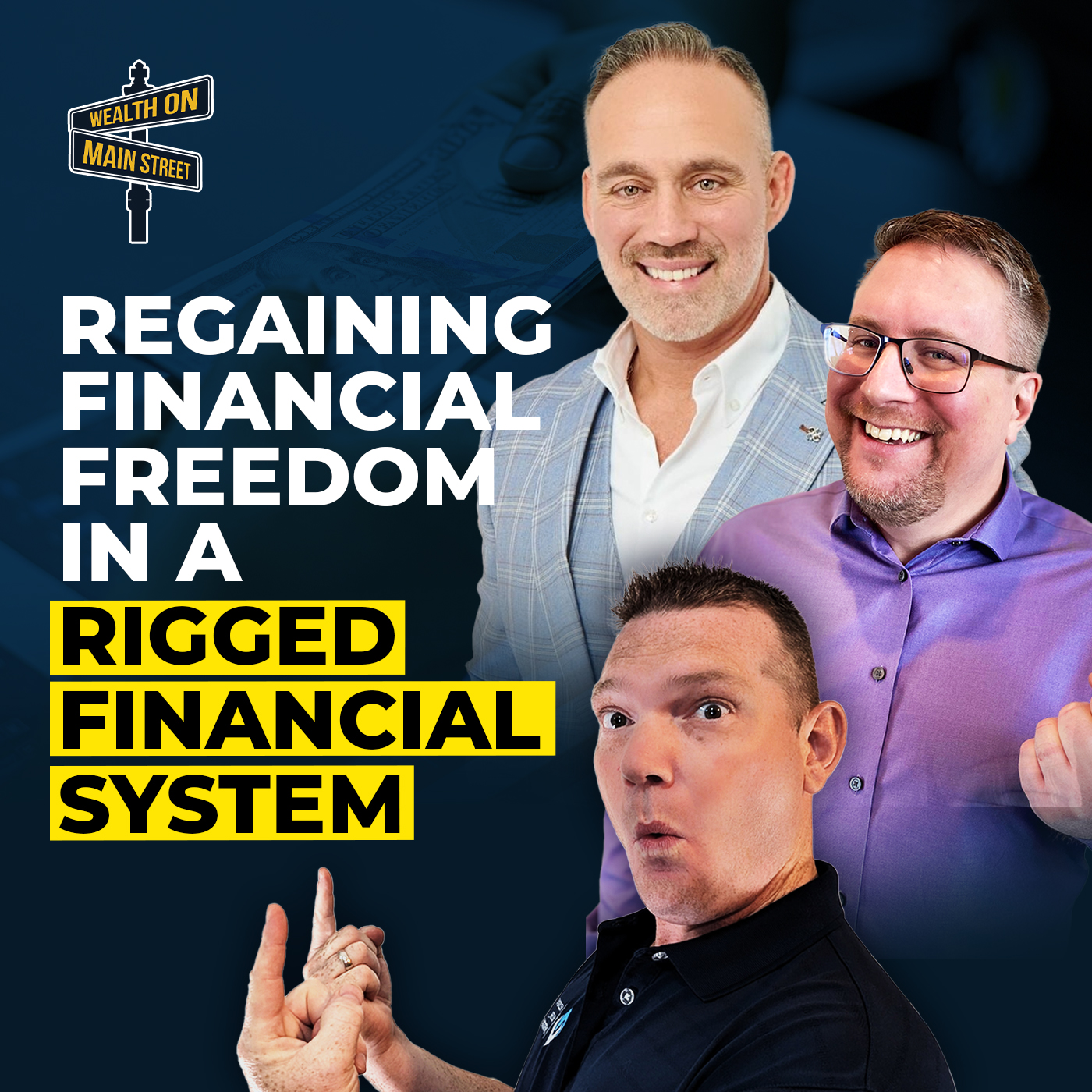
[00:00:36] Speaker B: Welcome back to wealth on Main street. And I I've got a quick question for every business owner who's listening right now. So if your business had a voice, would it be saying, we're crushing it, or would it be saying, please stop starving me?
One follow up question is that if your business is starving, why isn't your accountant doing anything other than continuing to tell you that everything's okay? And what we're going to talk about today. So we have Lisa Campbell. She leads Profit First Professionals right here in Canada.
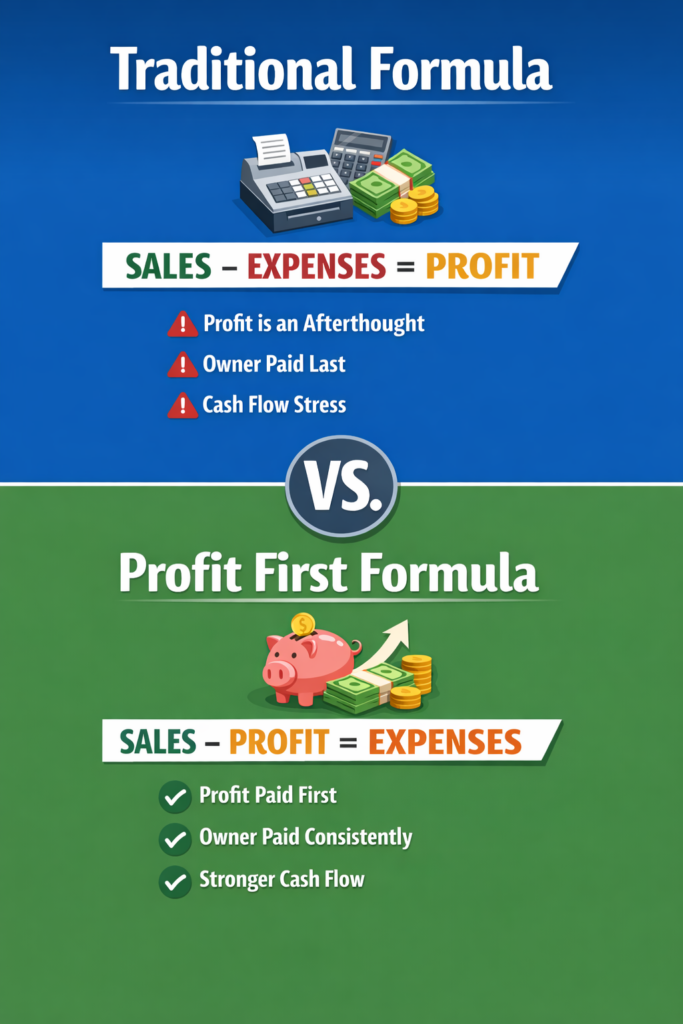
And we're going to talk about something that's wildly misunderstood in entrepreneurship. That profit doesn't just magically appear and at the end of a reporting period or at the end of a year. And revenue is not, in my personal view, anything other than vanity.
It's noise. And so today, Lisa's gonna help business owners do something pretty radical.
Pay themselves first, prioritize profit, and stop guessing where all their darn money went. And so, as the leader of Profit First Professionals Canada, she's back for round two. And she's also someone who personally lives what she teaches, and that's super important. And here's the twist that most people don't know. She didn't just implement Profit first and lead Profit First Professionals, but she's also implemented the infinite banking concept in her own life. And when those two ideas collide, that's when entrepreneurs finally feel in control. And so if you're a business owner who's tired of working hard just to feel behind, or if you've ever said to yourself, I really know that I should be doing better than this, then this episode is for you. And but this is definitely fair warning, as Lisa knows this might permanently ruin your tolerance for sloppy money habits. So, Lisa, welcome back. This is your second time on the
[00:02:33] Speaker C: show, which means I'm thrilled to be back.
[00:02:36] Speaker B: The audience loved you. The message landed. And so.
[00:02:38] Speaker C: Oh, cool.
[00:02:39] Speaker A: Thanks.
[00:02:40] Speaker B: For somebody hearing, hearing about Profit first for the very first time, what problem does that actually solve that traditional accounting doesn't?
[00:02:50] Speaker C: Oh, the money bleed Money bleeding out. So you've got lots of businesses that you know, your top line might look great, your profit even might look marginal at the bottom, and you think you're doing well, but there's other Things that you've got to take into consideration, like, are you in debt? Are you financing things and stuff that doesn't show up on the P and L, but it's cash movement. And so then, you know, like you said, starving. Right. A lot of business owners are running a business and they're not getting paid or they're panicking about paying their staff.
And we fix that. Because if that's the way your business is running, it's not a business, it's
[00:03:20] Speaker B: a hobby with invoices.
[00:03:23] Speaker C: Yeah. It's something that's actually costing you money.
Who wants to go to work to pay to go to work 100%.
[00:03:31] Speaker B: And when you meet with a business owner that by all accounts is successful but still feeling, you know, financially fragile even with strong revenue. Why is that?
[00:03:45] Speaker C: Why is what exactly? Sorry?
[00:03:47] Speaker B: Like why, why do so many successful looking business owners still feel financially fragile, like even when they have strong revenue?
[00:03:55] Speaker C: Because they don't have intention. They haven't, they haven't set up a plan for growth, for advancement, for, you know, even their own retirement if they're just running the business that it's paying the bills. But there's strategy in place for what's next. And there's no reserve for what if, what if all the revenue stops tomorrow?
Look what happened when Covid hit. Yeah, right. That's a prime example. So many businesses went under because they weren't prepared. So the only way you're going to feel comfortable and strong in your finances is to have a strategy and have a system in place to keep funding the accounts that are essential for your survival and for your growth.
[00:04:34] Speaker B: Absolutely. And full disclosure, and Rich can attest to this as well.
When I first read Mike Malkowitz's book titled Profit first and we were blessed to have Michael on our podcast as well. And that was a great interview. For anybody listening or watching, you'll want to go back to the link that we'll put in the show notes to go and watch that interview.
I had been implementing some construct of that, but the way that Mike outlines it in the book, the way that Profit First Professionals Canada coaches entrepreneurs to the methodology in the process, it's second to none. It's, it's, it completely changes what the business owner prioritizes. Profit.
[00:05:18] Speaker C: Absolutely. Yeah. Yeah. And I can tell you the book is a great starting point. It's a fabulous starting point. I started with it. I didn't do it right, you know, but I started with it. And I started, you know, adopting some of the concepts where the profit first, professionals come in. This is what we always say. The PFPs come in where the book ends.
Like that's where we start because the book is one size fits all. Right? And every business has their own issues. Every business owner has a relationship around their money.
They have quite often learned beliefs about money. And so it's not just a matter of you open up multiple accounts and we're just going to move the money over and our business is going to be perfect. We have to look into what has actually happened in this business and where do you want to go and then how are we going to get you there. And the PFPs are trained to actually overcome some of those obstacles that business owners will have that they can't get that from a book. Right? The book's great, don't get me wrong. But you need to have a coach that you can work with where if there's resistance, we overcome the underlying belief around that resistance and move them forward. So there's no shame, there's no judgment, none of that. It's all about, let's get you to the place that you want to be. So you're busy, like you're proud of your business. You're not hiding. I mean, some people hide from their spouses that they're draining their line of credit to support payroll. Right. Like that causes tension at home as well. Everything transfers. Right.
[00:06:40] Speaker A: It's so interesting to hear you say that, Lisa, because it's literally like, it's like you're reiterating words that I would probably say myself in relation to this book, which is we come in when the book ends. And yes, you know, it's the same coaching environment. And that's why there's such a great synergy between the, the profit first idea model for business owner, the concept of infinite banking, that the overlap of these things are very behavior based, mindset based elements. And it requires action, human action to choose a path and get started, to make a different choice about how you're going to be intentional. You said the word intentionality. The requirement for that intentionality around your business structure and how you run money through the business cash flows and then your personal finances and how you're running business through household finances and so on. With long term intentionality, big picture thinking is really, really key to.
It's a starting point to a bigger, better future around everything that you do. But it requires commitment to get that started.
[00:07:43] Speaker C: It does, it does. And a lot of people have. They think money's complicated. You know, it's not complicated. It's very straightforward. So we talk about financial literacy and people think, oh, I have to read this big textbook. No, you don't. It's very simple.
Dollar that comes into your business, and every dollar that comes into your personal life has a job, right. Based on what you want. So if you tell it what the job is and you stick to that, who wants budgets and all that, that's boring and nobody sticks to it. It requires all sorts of headache, right? But if you have a plan and you can see it really quickly, you get rewarded instantly. You see your debt going down, you see your reserves building up, you see that you've got money for this, that and the other thing. There's no guessing, right? So very, very intentional around every dollar that comes in. And that goes for personal as well. And by the way, do you guys know that Mike just released a new book on personal finance?
[00:08:31] Speaker B: I had heard that.
[00:08:32] Speaker C: Oh, yeah, yeah, yeah. So it's called Money Habit.
And we're actually so profit first, professionals deal with the businesses. And quite often we will go interpersonal as well. But now we're actually. There's another certification for individuals, which is great for your clients as well, because I know you've got business clients and you've got individual clients. Right. Well, the individual clients need to know how to manage their dollars as well so that they can get to where they want to go. So I'm very excited about that. We're going to have to talk about that more later.
[00:09:00] Speaker A: I love that.
[00:09:01] Speaker B: And yeah, congratulations to Mike and awesome.
So, you know, with the business owner clients that yourself, your team members have been serving, what have you seen as being the most positive change that a business owner experiences? Like when they stop reacting to cash flow? And they're very intentional around, like you described, making sure that every dollar that's flowing through has a plan attached to it. Like, what do you see these business owners experiencing in terms of how they change?
[00:09:37] Speaker C: Well, first thing is clarity.
There's no confusion. There's no reading through financial statements and trying to understand them. Most people hate that stuff, right? So there's clarity. And then the thing would be relief.
Especially, like, not all our clients are struggling, right? They want to grow and they don't know how. Right. They're just. They're just kind of making it, everything's fine, they're getting paid, that's fine. But the ones that are struggling, that sense of relief of actually seeing the change and getting rid of unnecessary things that are. You're spending every dollar again, it has a job. So you can waste it or you can be intentional around it. So clarity, relief and peace of mind.
Right. They know they have direction and also they know they have someone in their back pocket. That's the thing. So apart from Profit First Professionals, I also work with bookkeepers and accountants and financial coaches in successful Bookkeeper Global.
And that whole business in itself is getting the bookkeepers, accountants, financial coaches in a position where they have the time to actually have conversations with their clients.
Because if you're just, you know, handing your stuff off to your bookkeeper and you're not looking at anything and they're not telling you anything, they're not explaining the story that the numbers tell, it's not helping you as a business owner. Right. So in that circle and as well as Profit First Professionals, it's all about let's get the right financial people in front of the right entrepreneur, pair them up and let's work as a team so that everybody benefits. So it's, I just love this space.
[00:11:01] Speaker B: It's so fun and it's so grossly underserved.
[00:11:05] Speaker C: Oh absolutely. Well, you know, a lot of, there's, I mean a lot of small businesses, they think, oh, I'll do my own books, I don't need to understand it. And if they're really small, that's fine. And then you have bookkeepers who are just starting, starting out, who are competing on price and all that. And, and business owners as well are looking for cheap, fast, you know, who, they don't even care. They just want it done right so that they can file their taxes. We're not talking about that level of person, we're talking about a business owner who really cares about their business, who needs to work with somebody who knows how to interpret those numbers and how to create a plan and help them get to where they want to go.
[00:11:37] Speaker A: Well, they need, they need indicators and those indicators are, you know, you're using past information to be able to inform future decision making. And if you don't even know how to look at the information, you're not getting the information compiled. It's not giving compile on a timely basis.
[00:11:53] Speaker C: Right.
[00:11:54] Speaker A: How, you know, businesses move really fast in most scenarios.
Yeah, sure, there might be 90 day wait times sometimes on your billing or whatever. Like there's a lot of things that are happening but you need to, you need to put manpower to work, you need to make orders for inventory.
You have to keep a forward looking view, you know, through the windshield on what's coming, the curves, the changes, the turn so that, but if you're if you're three months or eight months or nine months behind on your numbers, how on earth are you keeping pace? And I would imagine you see people that come to you that, that are in that position on a regular basis.
[00:12:27] Speaker C: Yeah, yeah, there's a lot of people that are in that position and that they don't come to me anymore, but they come to the bookkeepers and accountants that I work with.
It's when you've got a traditional. I, I don't want to say traditional. I don't want to offend anybody, but a CPA or a bookkeeper who, you know, okay, I'll let that sit for a month or a quarter or whatever. It'll catch it up and I'll get it done before the year end versus someone who is forward thinking. They're looking at what's about to happen. I. Any business owner shouldn't really care too much about what has happened in the past. Let's look at what is happening next week, next month, next quarter. We have to be prepared for it. Yes, we learn from what happened in the past. But a bookkeeper or accountant who could be proactive and say, look, this is what's coming down the pipe. We need to be prepared for that. Let's create a plan. Right. Quarterly reviews, monthly reviews, weekly conversations. And also every entrepreneur out there should have their books dynamically updated daily.
[00:13:23] Speaker A: Yeah.
[00:13:24] Speaker C: So that you can go in there and you know. Exactly. You're not waiting a month, six months. If you're waiting time, you know, for your bookkeeper or your accountant to finish your books, you're not using your books as a tool to run your business. And that's essential. So not only do you need to have it dynamically updated, you also need to work with somebody who can help you understand what that story is.
[00:13:45] Speaker B: That is so true. And just speaking from firsthand experience. A quick tip for, you know, business owner entrepreneurs that are out there watching and listening.
I personally review finances in all of my companies every Thursday morning religiously. It's, it's become a cadence that has stuck with me for several years. And it what the data informs you, you can't do anything about a lagging metric. There isn't anything you can do about that. But the data helps inform you so that you know where to go in the business, who to connect with, what to inquire about. Because the data is pointing you in a certain direction if you know how to interpret it.
And that just comes with putting in the reps and simulating that discipline in your own company. Or if you have more than one company in your group of companies and
[00:14:43] Speaker C: there are business owners who actually are afraid to look at their numbers, that's true. They purposely don't look. And that again, is a belief around money.
Right. I'm running this thing. If I don't look, I won't know I'm making it through. Money always seems to come in, but there's no pattern there. There's no intention around it. So you can't grow like that. And you could really be hit by surprise if something goes wrong. So, yeah, you have to be in there regardless of whatever, you know, freaks you out about money. Money is very simple. It's the relationship with money that's the problem. Right? So if you're afraid, for those of you who are listening, watching, if you're afraid to look at your numbers, don't be like, just have a look at them, look at what's going on and partner with someone who can help you interpret it. If it scares you and you don't want to look at them, then you definitely need to be working with somebody who, you know, coach you through what's going on and help you get over some of those beliefs.
[00:15:35] Speaker A: You talked earlier on about, you know, referencing Covid and a lot of businesses failing during that time frame. Not having a plan, not being, not having effectively like the equivalent of a business savings account set aside. And, you know, it reminds me of something that, Jason, I've talked about a great deal, which is capitalization and specifically, you know, no business. Something we learned from Nelson Nash is that, you know, no business ever failed because it was over capitalized.
Good grief. He would say, good grief, put some more money in it. You know, you get, you can't do anything without enough capital.
And, and you know that he would also say the time is going to go by anyway. So some people are looking for, you know, triage right on their finances, personally and in the business. And yeah, there might be a degree that that's necessary, but you have to recognize in order to implement and make these changes you're making, you're making a commitment about something that's going to give you a bigger, brighter future. It's going to take a while to get and build some habits. Without those habits, you're not going to get the solution that you're looking for. But the result of it is that you build capitalization within the business. You're in a position where not only are you keeping more profit, you're able to put it to work strategically rather than haphazardly and that strategy element allows you to start to make the business grow, which means it's going to help you grow. And it gets me thinking about a couple of webinars that Jason and I did about a year ago specifically for business owners. We did, you know, one for more North America wide and then we did one really tailored to business owners in Canada because we have some unique rules around the capital dividend account and that sort of thing.
[00:17:06] Speaker C: Yep.
[00:17:07] Speaker A: And I really feel like, you know, when we start to blend as an example, the whole life insurance in strategically as a tool, as a warehouse for capital, we're really creating a profit keeper account. So there's profit first, but then how do you keep it? And, and keeper is that forced intentional savings into a machine that allows it to grow all the time, but it doesn't sacrifice your liquidity or your decision making potential to reinvest in your business.
[00:17:34] Speaker C: Absolutely. And I could tell you I've been in business for, I'm going to age myself here, but I would say 30, 30 years.
I wish I had known about infinite banking way back then. Can you imagine, like just I'm working with you guys and finding out all this information and where we could store the funds that go into the profit account.
It's amazing what you can do with that. And it's liquid if you need it. Like there's that safety net in there. Rather than having it sit in a bank and the bank lends it out 10 times for every dollar and charges you to keep it in the bank. Come on, let's just get it into our policies and use it.
[00:18:09] Speaker B: I love that.
[00:18:10] Speaker A: And it becomes the profit repeatedly account.
[00:18:14] Speaker C: Yes.
It's like the profit account on steroids. Let's just go.
[00:18:19] Speaker B: Absolutely. And a perfect segue to what Lisa and I were chatting about just before the show.
There's a domain that you'll find our editors are fantastic. You'll see it on the screen, it'll be in the show notes. But if you, if you visit profitbeginshere.com again, that's profitbeginshere.com you can do one of a few things. You can arrange a personalized conversation with a profit first professional, which is something that at Ascendant wealth on Main street we wholeheartedly recommend that you do. And you can develop a deeper understanding of how these two ideas work so brilliantly together. And Lisa, when you personally began implementing the infinite banking concept, what was the domino that tipped over for you where you said, okay, you know what, I'm gonna give this A shot. This sounds like it makes great sense in the way that I want money to flow through my life and through my business.
What was that domino that tipped over for you? Where, where you thought, yeah, okay, this makes sense. I'm going to begin implementing it.
[00:19:26] Speaker C: You are the original domino. Just talking to you and seeing what you accomplished, I was always, wow. You know, But I can tell you that the real domino, I think, was when I read the book. Yeah, I read the book and I looked at those tables and I, like, read the stories and I thought, that is so ridiculously simple.
So simple. Actually, when, when I think it was when you were doing like a workshop with our Canadian members, a lot of like, CPAs are like, well, is that legal? Like, doesn't even make sense. It's 100.
It's a secret that people don't know. Like I said, I wish I'd known about it 30 years ago. I bought a term policy when I was 30. I had my first child and I bought a term policy. What does that do for me? I. Absolutely nothing. I've not been able to do anything with it. Had I been smart and had I known, I would have gone universal her whole life. Sorry. And been able to leverage that throughout the years when I needed it, when I had small kids. Right.
So, yeah, the book, the book is amazing. Like, some people will read it. Well, I know, Jason, you preach. Just keep reading it and reading it. I've seen your son and your nephews, they're like, read, read, read.
[00:20:32] Speaker B: Right.
[00:20:32] Speaker C: You got to keep reading it.
But yeah, the book is absolutely eye opening. When you see the numbers, how they change on just little simple moves, it's incredible.
[00:20:42] Speaker B: Ah, thank you for that and credit to our mentor, the late R. Nelson Nash. He, he developed and, and pioneered the process and Rich and I have known each other and have been working alongside each other for almost 18 years and we've been blessed beyond the definition of good fortune to have spent so much time with Nelson, who sadly, he passed away in March of 2019.
But when you think of from your vantage point, your perspective around all your knowledge, as it relates to Profit first, as it relates to bookkeeping, as it relates to helping the business owner really develop a deeper understanding of how money is moving through their business, their personal lives. Now, why does it make sense from your perspective for Profit first professionals and Ascendant Financial to collaborate together?
[00:21:36] Speaker C: Oh, that's easy. Because we're going to have businesses that want to start their system of infinite banking, but their business is not sustainable at this point. It's not profitable. They're in too much debt. So the profit first professionals will work with them to get them to predictable, sustainable profitability and then they can start working with you.
So it's like two different teams. Right. So once they get to you, you're able to grow their wealth in a way that makes sense for their life. On the flip side, we may have clients that we have worked with that we've already gotten them to that point where they have lots of reserves and it's just sitting there in the bank.
Right. And we want it to work for them. So again, let's team up with you guys, you know, vice versa. We can help your clients, you can help our clients.
It just works like a magic little sauce.
[00:22:27] Speaker B: Well, and this is a great segue into the personal aspect, given the announcement of Mike's new book, expand on that for us. So what, what inspired Mike to, to go in that direction?
[00:22:38] Speaker C: He's always wanted to do something about personal, I believe, don't get me wrong, and I could be incorrect, but I remember something about this where he was talking about he's got the business owners who are doing well with profit first, but what about their teams?
[00:22:52] Speaker A: Right.
[00:22:53] Speaker C: Your teams are on paychecks.
Right. So if we have the business successful, let's make the team members successful. That increases productivity, it increases morale.
Team culture. Right.
So this, this is actually how we're going to be working together, the two of them. So the money habit is all personal. It's a lot like profit first, the multiple accounts, but very different naming, very different behavioral concepts to it.
[00:23:18] Speaker B: So yeah, the naming of the accounts being different and.
[00:23:21] Speaker C: Yep.
[00:23:22] Speaker B: But the philosophy, the, the, the root of the philosophy would be obviously very similar and easily adopted by. Good point. Employers who have employees that they want to see become financially abundant and successful in their own lives. And absolutely the net effect that that has on culture, on productivity, on just morale, on people spending most of their waking hours at a job. But creating financial abundance with intent and with a really solid system, it's a
[00:23:58] Speaker C: much better way to live, isn't it?
[00:23:59] Speaker B: Oh, God, what a peaceful, stress free way of life it is.
[00:24:02] Speaker C: Exactly. And so we've actually got an entire certification program around that. They're called Money habit mentors.
[00:24:09] Speaker A: Awesome.
[00:24:09] Speaker C: Oh, they're not. You don't have to be a pfp. Some people just want to work with personal, some people just want to work with business. But here's the thing. Some people will start with individuals with the money habit mentor, get them sustainable. Maybe this individual has always Dreamed of starting a business, right? Oh, okay. So I'm teaching people as a money habit mentor how to get to that place or build their reserves and maybe, you know, with the infinite banking and all that stuff. But then I decide, you know what, I could do this for business too. So then you're profit first professional. You go into that area, right? So you're working with business and you're working with personal. On the flip side of that, our PFPs use the certification to work with their business owners and do workshops with their teams so that the team morale is just, everybody's just doing better again. There's lots of money in the world, tons of money in the world, lots of opportunity. It's all about how does it flow from the business to my house, what happens once it's in my house? What does my life look like? It's very simple.
[00:25:11] Speaker B: So good.
[00:25:12] Speaker A: It's interesting. It makes me think of, you know, again, similar things that Jason and I've talked about is that, you know what, you're working with businesses. Most businesses, you, you guys work with the people that you profit first. Professionals are aligned with. They usually have a number of employees. Some of them are, maybe they've got 50, 100, maybe they got 200, maybe they just have a couple. They're getting started, but they're, they're trying to do things on the right foot before they get on the wrong foot. And you know, one of the reasons you end up hiring people to join you in the team is because it's the only way you're going to grow. You need the leverage of that human model of world, the mindset, the, the activity level. You need all that leverage. Well, what's beautiful about as an example, a whole life insurance contract is that it can be the hardest working employee in a business.
And unlike most employees, they, they have an inflationary raise or whatever for doing a good job. They need to get a raise every once in a while. That's important for, for good work. Well, you never have to give the whole life insurance a raise. You just, you can just add a new one. You could do that, but you lock in and inflationarily protect the, the inc. The amount that you're paying that person. And then they work for you 24, 7. They don't go on holidays, they don't need vacation pay. You don't have to pay CPP or Oasis, the source deductions off of them, none of that. You don't have to produce T4s or W2s for them. It, it Just is there, and it's sitting there on the books of the business. The other thing I really appreciate about, I think where there's. There's a key alignment with the profit first model and that storage capacity of, of and good habits that it creates is that nowhere when you look on the balance sheet of a business generally, do you see the business owner listed or. Or the partners, you just see, okay, we got tractors and inventory and equipment, and we got some cash in the bank and multiple accounts. We can see all that stuff. But you don't see the business owner named. Well, when you see the whole life insurance cash value, you know, oh, okay, I see where the business owner is now we have protection in place that makes sure that that person is listed on the balance sheet of the business. Because without them, there's not usually much of a business that lasts.
[00:27:16] Speaker B: Yeah, good point.
[00:27:18] Speaker A: I'll.
[00:27:18] Speaker C: Very good point.
[00:27:19] Speaker B: I'll expand on what Richard said and what Lisa shared earlier too. So if we go back in time to Covid and there's one of many stories that just stands out for me. I can just, I can close my eyes and I can just replay this reel.
A very successful dentist who, you know, has a number of operatories and you can't do dental work during lockdowns.
And so he connects with me and understandably, you know, very stressful situation for any business owner, for anyone who had to endure that. And he said, you know what brings me so much stress relief? And I said, oh, what's that? He said, well, I've been able to retain my employees not only through programs that were available that helped businesses get through that, that were government sponsored, but he was also able to expand his business.
And he did that through the device of accessing policy loans from the life insurance company.
He didn't interrupt any of the daily accumulation of cash value inside of his insurance contracts. There was permanent death benefit in place. God forbid if the unthinkable had happened during COVID And so his sense of relief also reduced stress, which. The greatest and biggest cause of medical maladies in human beings is stress.
And he is just shouting from the rooftops how relieved he was to have ready access to capital. He didn't have to strip away any of his company's reserves. He borrowed against them on demand, on his terms. And he didn't reduce the assets value. He didn't trigger a taxable event.
And most important, nobody from the life insurance company called him and said, what's your plan to repay these policies?
So he was able to get through Covid expand his business, keep his key people, have permanent death benefit, have a lot more cash value than he had before COVID He gets out of. COVID begins repaying these policy loans on his schedule, not some other bank or some other conventional lender.
[00:29:47] Speaker C: Isn't it beautiful?
[00:29:48] Speaker B: Oh, my God. It's just.
[00:29:50] Speaker C: And that's the thing, Jason. People don't understand it. They hear that and they go, oh, yeah, okay. What is that? Right? But. But when you actually look into what it is, it is magical.
It's just. It's absolutely. There's like, again, I wish I had known about this so long ago. Right. But now that I do know about it and I. I am experiencing all the benefits and all the ways that you can flow money in and out.
It's. It's ridiculous. And to have that sense of relief for anything, like, I can tell you, even for myself, we had a rather urgent situation where my son was requiring to move in with us. I won't go into why, but. But we didn't have another bedroom, but we had a massive second bedroom on our second floor. And so I called the contractors, and I said, is there any way you can move the bathroom and make this into two smaller bedrooms? So we had a renovation, went six weeks. Within six weeks, he was at our house. I took everything from my policy loans, and I can pay back when I want to. It's fabulous. Like, it's just. And the combination. Not only that, when you think about. When you're. As a business owner with your profit first, you're supposed to put your, you know, your tax and your HST and your profit in these separate bank accounts, which I did for years until I learned about infinite banking. Now it goes to my policies. When those tax bills come in, you take the policy loan out and you pay it. But my money's still working rather than sitting in a bank that I have to pay for. Right.
[00:31:21] Speaker B: So good.
[00:31:21] Speaker A: And tell you what makes me so happy. Based on what you said, Lisa, other than that you're able to do all those things is.
So I'm not the biggest fan of the tax man in general. I get that they have a role and responsibility, and we all want to pay our fair share. We may have a disagreement on what that fair share looks like, but I love the fact that I can pay premiums from my tax account where I separate my percentage in the tax account. That money goes to premiums first, policy loans second. But I can borrow from that policy to pay my tax bill to the. To the Canadian government.
[00:31:57] Speaker C: Yep.
[00:31:57] Speaker A: And I know that I have profited off of and my family will continue, they will get a tax free outcome that is greater than the tax dollar I'm paying today by the virtue of that change. So I know that there is a future profit potential or a gain on a tax dollar that I must pay today. And there's no other circumstance I could think of where that's possible other than utilizing the tool well constructed of dividend paying whole life insurance.
[00:32:24] Speaker C: Right, That's. I would, I would highly, highly recommend anybody who's watching or listening to go to that profitbeginshere.com and, and learn if, if you're new to all of this, what we're talking about, absolutely, go and learn. Because it is a thing of beauty. It is just the security that you get from knowing what your cash reserves are, your balances that are, you're leveraging them. Basically. Basically. Right. It's just, it's a very comforting way to live. You're not gambling in the stock market, you're not, you know, taking high risk thing. This, this is pretty solid.
I mean you can't get any better than that. Right?
[00:33:01] Speaker B: It really is. And I will. To add to what Lisa just said, so Nelson often expressed that there, there are two fundamental truths.
The first is that your money must reside somewhere.
And so whatever construct you have in place, which should ideally be the profit first construct, that allocation is a percentage which turns into a dollar amount. So if you're going to allocate 5% of your gross revenue to profit first and you earn a hundred dollars, five dollars is allocated to that, that amount of money has to reside somewhere.
So we have allocation and residence.
And Richard did a fantastic job of describing residence.
And Lisa's team does an amazing job of helping you determine allocation and the rationale, the supporting logic for it. And what he also expressed is that someone or some organization must perform the banking function as it relates to your needs. There are no exceptions.
And that someone should be you.
And you can carry that function at the you and me level. So with Mike now writing a book, Money Habit and the fact that Profit first professionals are now in a position to coach this framework to both the business owner, entrepreneur and to the individual and ascended financial coaching to the business owner, entrepreneur and individual and living this firsthand, we have 77 policies in our family banking system. We pay 1.596 million a year now in annual premium and we've got literally 100 plus thousand dollars a month flowing back into the family's banking system. That doesn't include what our corporations utilize the implementation of infinite banking for.
But none of that would be possible without the proper framework of allocation and being very, very intentional about prioritizing that. And when Nelson was still here, he said, jason, what do you suppose would happen if you weren't using that money to pay premium and repay policy loans? I said, well, Nelson, logically my expenses would rise to consume that money. And he said, precisely.
[00:35:41] Speaker C: Absolutely.
So you absolutely hear that.
[00:35:45] Speaker B: And you know, I've known Lisa for years now and she's.
I'll just tell you right here live on the show, I think you're awesome.
[00:35:54] Speaker C: I think you're awesome too, Jason and Richard, thank you.
[00:35:58] Speaker A: Well, one thing I really appreciate, Lisa, is that you brought up the book. We're talking about a number of books here today and referencing Nelson's and, and how much that was a turning point for you. You kind of indicated. And it is for most people. It is for myself. I know it was for Jason. What I'm curious about is as you went through the grocery store example that Nelson talked about, because you know, Nelson, Nelson reels when he would talk to us and he would explain through his two day seminar or on one, on one coaching, like why he did certain things. Why did he put this example in the book? Nelson was a real expert at connecting with people where they were at. He was trying to get on the same playing field as everyone else. Right, well, everyone needs groceries. Well, I'll shop at a grocery store. It's a common denominator. And I'm really curious what your perspective was as you went to the grocery store and where did you see a lot of, I guess overlap or similarities to the teaching and the training that you do with Profit First Professionals.
[00:36:49] Speaker C: I think a lot of it was the food going out the back door. Yeah, right. That's a bleed. So what we focus on primarily is what is bleeding and we have to stop that bleed right away. So there you go, the P's, Right. And what was it, seven cans you'd have to sell to make up for it or something like that. I can't remember the exact numbers, but yeah, it's. If you're not focusing on what is bleeding in your company or in your household.
[00:37:12] Speaker A: Right.
[00:37:13] Speaker C: People like to live beyond their means. It's ridiculous. And what they do is they live beyond their means originally so they end up with all this debt. Whereas if they were just intentional and created a fund, you know, and store it in their, in their policies, they would be able to live the life that they want. But they're doing it backwards. Right. So when they're taking the groceries at the back door or, you know, the wife comes and does her own personal shopping, she's not paying. Right. It's, it's a total bleed on your company. So I don't know if that answered your question or not, but.
[00:37:44] Speaker A: Well, I would imagine that you, you know, the bookkeepers and the accountants that you see that, that, that now they're getting trained or they're well, well on their way or they're, they're certified in the process and they're teaching people how to, how to move behaviorally money through their business, cash flow differently.
They've seen, they're seeing that in real time. They're seeing, you know, oh, well, hey, oh, the business owner is paying for a, B, C, D, you know, all down the Alphabet of things for their primary residence. For this, oh, there's a TV that's, well, that's going to be for the shop. But it ended up in my basement somehow for the kids to use as a, you know, like all of these elements. And it's because we're trying to play like the tax deduction game, which I get and I understand, but. Yeah, but all those are in some way to some degree a form of taking the piece out of the back door relative to the businesses circumstance.
[00:38:35] Speaker C: Yes. Yeah. It's insane. It's, you know, a lot of people do that. They mingle their, their personal with the business and it's, you've got to be very clear on both sides because again, the business has to serve you, otherwise it's a hobby. If you're not making money, what's the point?
Right? So you have to set up the business to serve you and you have to determine what it is. What do you want from your lifestyle? What do you want from the money that comes into your house? What are your goals? Right. And I love working with young people on the personal side. Oh, young people that are just starting out.
Just all the things that I've learned, all the mistakes that I've made. Right. If we could set them up from the beginning and just, you know, baby steps on in the right direction, think of how much better they'll do than we all did up at, you know, maybe 20 years later.
[00:39:18] Speaker A: I just did an example for a client of mine in Ontario. Her son, 17, is about to be 18. He's working, he's about to go looking at purchasing a used truck. And so he did an example talking about the impact of that truck. If he pays with his cash and what the impact is. And the end result is that the $20,000 truck was going to cost him close to $170,000 over his lifespan if he didn't make a different choice. So that was an interesting conversation, but looking at a small example, you know, roughly around $5,000, maybe it was $6,000 a year. I mean, the impact for that young man at age 65, a target date that everyone else is looking at, is a scenario where he's sitting with close to $2 million of potential accessibility throughout his life. We don't know what he's used, we don't know what he would owe, but the capacity of what the machine would do. And every time you put five or six thousand dollars into it, it's growing at $50,000.
[00:40:12] Speaker C: Yep.
[00:40:12] Speaker A: I mean, that's. That's a pretty good machine that you would want to have if that was a business that you owned.
You would want more of those, of course.
[00:40:22] Speaker C: Absolutely.
It's. It's not. And you know what I find when you actually show someone, like, I know with you guys, when I'm working with you, you'll bring up tables and we'll talk about what if scenarios. We do the same thing. And when you can actually show someone, what if we do that versus what if we do this? And they go, oh, it's just, again, it's clarity, intention and clarity. Even with debt. Right. People that have debt right now, let's put up a plan to get rid of it and follow it so that we can start building. So that we could start building our little cash machine in our policies. But you need to see it, because we can talk about you. We understand that. We get it. We know the beautiful effects of it. But I love actually showing people on paper and then, of course, tag teaming with you guys to show them the effects of what their money can do inside a policy.
[00:41:09] Speaker A: It reminds me of a conversation I had with Jason in 2009. It was probably around June, give or take of 2009, I think.
And I was sitting at Jason's desk, and he little desk he had at that time. And he just took a piece of paper and he drew the bottom half of a circle. And he says, you know, Richard, we've been helping a lot of people in this area, and this is like the debt category.
And then he completed the circle on top. He says, now we need to start helping him on this side of the category so we can complete the circle. And that was when he introduced me. He said, richard, you got to go Buy this book, becoming your own banker. And I'm like, okay, sounds good. Yeah. All right. Okay, brilliant.
[00:41:48] Speaker C: I love that.
[00:41:49] Speaker A: And I'm pretty sure I ordered it probably on Amazon or whatever as I was leaving his office.
So it's just interesting seeing that picture in my head. Jason, if you remember that, I don't know if you remember doing that.
[00:41:59] Speaker B: I can close my eyes and see me drawing it.
[00:42:02] Speaker A: But. But that, that level of simplicity of these are two sides of the same coin that exists in everyone's household. And they. They're going to exist in every business.
And we're always trying to figure out what's the right balancing act of managing or attacking the two of them. And the reality is most people are doing it with a blindfold on and they're throwing darts and there may or may not even be a dartboard.
[00:42:28] Speaker C: Yeah. It's insane. You know, like young kids nowadays, they, you know, they get their paycheck and they go, no, let's like, you don't need all of that money. I know, it's great. You go buy your beer and you can go buy new clothes and go out, do whatever you want. But if you just took some of it and started thinking about policies at this age, I mean, I've got policies on my 18 year old, my 23 year old, like, start them young.
Right. It's a. They're actually seeing. Wow, this is. This is actually incredible. You mean by the time I'm 65, this is what's going to happen? Never mind that at age of 30, this is what's going to happen? I've got this much room. Yes, you do. It's amazing. You got to see it.
[00:43:09] Speaker B: I love that.
So if you were to think, Lisa, of one thing, and maybe you have more than one, that you would encourage, whether it's a business owner or an individual to do differently. After this episode, I'm curious, what would
[00:43:28] Speaker C: it be to do differently? Stop. Take the blinders off. Take the blinders off and learn. There are people out there that can direct you, can help you. Right. And people often think, oh, you know, that's going to cost a lot of money and stuff like that. It doesn't. The ROI is ridiculous. It's instant. And I mean, I have the same when I'm working with my bookkeepers and they're going through a process that we have that if you want to learn something, you go find somebody who's done what you want to do and learn from them.
Right? So, I mean, I know profit first inside out in all My businesses, I know, like multiple clients. You guys know Infinite Banking?
So much like, just take the blinders off, go to profitbeginshere.com.
have a conversation, even just read. Just read a little bit. Read profit first. Read the. What's that called again? The infinite banking.
[00:44:22] Speaker B: Becoming your own banker.
[00:44:23] Speaker C: Becoming your own banker. Thank you. Read it. Read the Money Habit. Like, just open your eyes. Understand you're not supposed to be throwing darts. It's not a hard process if you have the knowledge, the understanding of it and you could talk to people who can walk you through it. It's a game changer. And the earlier you start, the better.
Doesn't mean you can't start later, but the earlier you start, definitely the better.
[00:44:46] Speaker A: Love that.
[00:44:47] Speaker B: Well, I told all of you, listening and watching that this was going to be awesome.
It's been another one of those episodes where people are either nodding along or realizing that maybe they've been lying to themselves about their numbers. And so Lisa's advice is absolutely the right advice at the right time. And so if that's you and you heard that awareness is the beginning of control, that's a good thing. And so the collaboration that we have together with Lisa, her Profit first professionals, the Money habit, mentors, it exists for one reason. To make profit not only first, but simple.
And to make cash flow predictable.
And I would say to give business owners and individuals confidence, not confusion. And so if you're a business owner, an individual who wants to stop guessing and wants to start leading your journey financially, then go to profitbeginshere.com and that's where that journey can start for you. And so, Rich, take us home.
[00:46:04] Speaker A: Well, Lisa, we love having you back on, of course, appreciate your energy and your excitement about not just what you do, the people that you love to serve and love to help. And you may not realize this, of course, but when a business comes out and they seek your services, or more important at this stage, when a bookkeeper or an accountant seeks your services so that they can impact a multitude of clients that they serve in a scaled environment so that the result of that is more business owners retain profit that they need to create the life that they want for their families, you know, you're really showing up as a hero. I don't know if you know that or not, but you are. And so our question for you is, who do you most want to be a hero to?
[00:46:46] Speaker C: You guys asked me this about four years ago, and it's still my children.
My children always. I want to set the best example I want to give them the best foot forward.
You know, don't make the mistakes that we made. Learn.
[00:47:02] Speaker B: Love that.
[00:47:03] Speaker A: And I'd like to expand on that question. Lisa, I'm curious because now, since the last time you were on, you've got policies on your kids, which you didn't before.
[00:47:11] Speaker C: Right.
[00:47:11] Speaker A: How has that connected with what you just stated with us today?
[00:47:17] Speaker C: Oh, I mean, it's a game changer. It's like what I've done is created something even better than I had in place because I learned. I talked to people who knew what they were talking about. You guys. Right. I learned things that I did not know. I had everything in place with the companies and profit first, and I had everything running, but I didn't know I could take it up a notch. So that kind of increased what I'm going to do for them down the road.
[00:47:46] Speaker A: Awesome.
Level up your game and Lev and level it up beyond your own generation. That's how I'm going to interpret that.
[00:47:53] Speaker C: Oh, yes. 100. But that goes back to. It goes back to take the blinders off. Just learn. Having one conversation can change everything. Like, it's crazy. Just get some knowledge.
[00:48:04] Speaker B: Love that. And speaking of knowledge, if you're watching on the YouTubes, you'll see another video that just showed up.
That's the algorithm encouraging you to continue your journey of learning. So click through that next video.
Continue that journey of learning. There's always something new to learn. There's no such thing as having arrived in knowledge. And if you visit profitbeginshere.com, you can arrange a personalized conversation, and then we can determine how to best make your financial objectives an achievable reality. And so, Lisa, thank you again, sincerely, for joining us. We're definitely going to have you back again.
[00:48:42] Speaker C: Well, thanks for having me. It was a lot of fun.
[00:48:44] Speaker B: Yeah, it was definitely a lot of fun. And to all our viewers and listeners, stay. Great.
[00:48:49] Speaker A: All right, I'm calling all the farmers and the ranchers. It's time that you control how you finance your operation. Create the ultimate line of credit and. And keep the farm where it belongs in the family. Visit growyourowncapital.com that's growyourowncapital.com get a free copy of our new book that shows you exactly how do that today.