Episode Transcript
[00:00:00] Speaker A: Foreign.
[00:00:11] Speaker B: Welcome to wealth on Main street, where conversations about growing your wealth are fun and entertaining. Wealth isn't just about money. It's the skills and the knowledge that we develop to pass on to future generations.
Tune in each week to grow your mindset and your net worth at the same time.
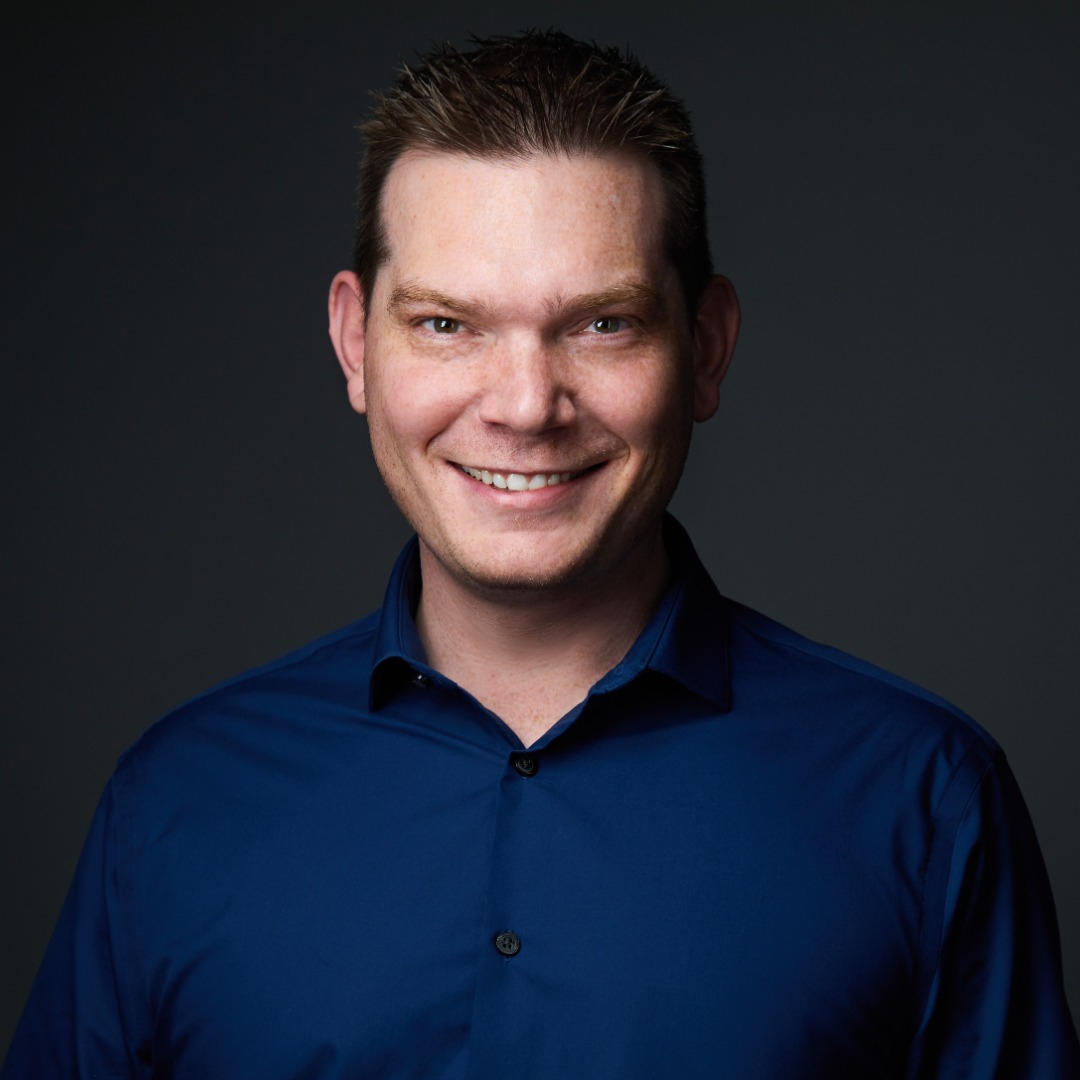
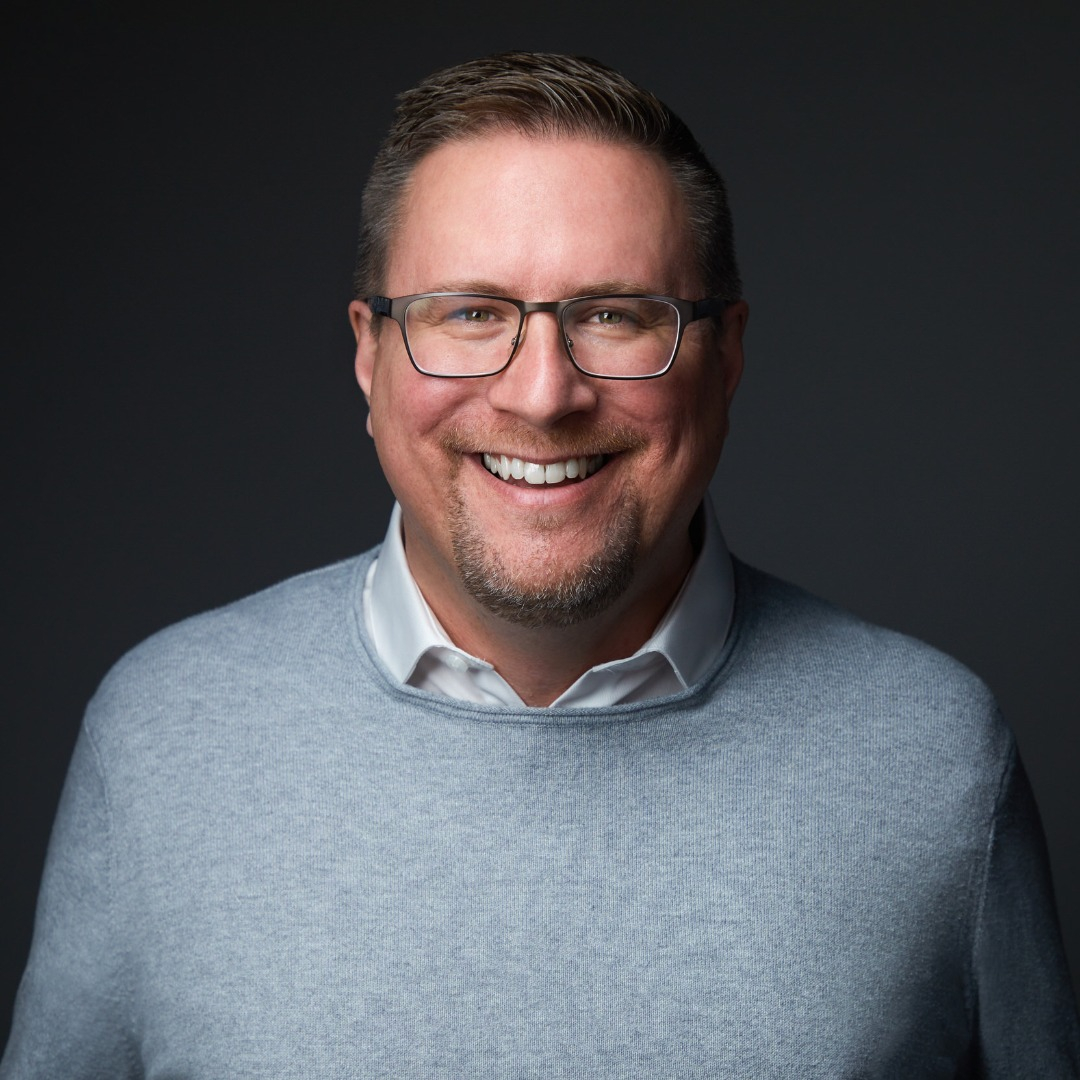
[00:00:36] Speaker C: Welcome back to wealth on Main street, where we talk about real families, real money, and the strategies that actually move people forward financially. And today, this, this episode matters a lot because joining us is someone who's been in the trenches with Richard and I for over a decade, someone who has served more families than most advisors meet in a lifetime. And he didn't just learn the infinite banking concept, he lives it. And he's a leader, a teacher, and now an author.
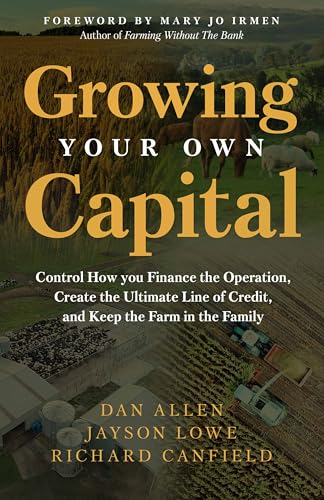
Growing your own Capital is the book that we're going to talk about today. And we were just discussing this before the start of the episode that it's already reshaping the way that families and entrepreneurs, entrepreneurs and, and farmer, farmers and individuals are thinking about money. And here's one thing that you should know about Dan Allen. I call it, you know, Dan Sullivan has the four Cs. Well, I call it the three Cs. Compassion, competence and consistency. People's lives get better because of him. And so today we're going to pull back the curtain on the book on the, the stories behind it, the lessons that shape Dan's philosophy, and how the infinite banking concept transforms the way you think about wealth. And so, Dan, let's challenge some assumptions and let's leave the listeners and viewers better than we found them prior to this episode. And welcome to the show.
[00:02:06] Speaker A: Well, thank you. Glad to be here. Love to talk about this book. I just was, you know, really fortunate to be able to work with Richard and yourself. And as we put this book together and yeah, it's something I.
Ten years ago, I would have never imagined myself doing this. So now I can say I did.
[00:02:24] Speaker C: Well, I'm genuinely curious that this happened. So you did an amazing talk from the stage at our family banking summit, and there were a few hundred people in the room. And at the end of that, you and I had a moment backstage and I said, Dan, like, what you just did is a book.
We need to turn this into a book. And as that became a reality, the manuscript got underway and the collaboration got underway.
What was one big truth that you felt the world needed to read?
[00:03:02] Speaker A: Yeah.
Every time I think about even this book, it goes back to what Nelson taught us and it's really about control.
[00:03:10] Speaker C: Yeah.
[00:03:10] Speaker A: Like, if, you know, we think about farmers. And because it's always been close to my heart. And even now, as I have meetings with farmers, as they. As I go through the opportunities that come my way to just talk to people, I still just see how big of a difference financial control would make for people.
And in farming, they have, you know, as Nelson said, you know, no one's ever taught them to grow capital.
They have a real need for capital.
And you just start to see as you talk to people, you know, given how, you know, things have gone in places in our country this year and across North America where, you know, it was dry and commodity prices are down, and there's a lot of outside forces that are at play here that. Out of the control of the farmer. And if they just could, you know, if they. If they could get to a point where more and more farmers are able to get control of their need for finance, how much easier would be on them and on their families? So that's kind of what I. I've, you know, thought about as. As I look at this and as I think about it, it's that one word that you see and, you know, become your own banker. It's about control.
[00:04:28] Speaker B: There's a really interesting degree of this. And I think about some of the farm families I've had the pleasure to help and serve. And like, I also grew up in a small farming community near Hay Lakes, Alberta. And while I may not have been in the tractor as often as Dan was, you know, we had a hobby farm. We had. We had sheep. We had. I had to, you know, feed lamb. We had lambing season. We would go to market. At one point, we had cows. Not a lot of them, but enough. We had 400 Peking ducks. Because my mom had a.
A business that she started with, with a lady that she met in Camrose, where it was kind of a catering business. And so we had a number of things. We had our hands in a variety of different little bits of livestock on 10 acres. But we were surrounded by farmers, and we got to. We knew all our neighbors. We, you know, there was a one neighbor down the road, had a barn dance every year. Like, there was always things going on. So I learned all those skills. I built fences, I worked on my neighbor's land. You know, I'd hop in the tractor with them. I knew how to run a tractor. I did all these things, but I didn't understand all the dynamics. I was just, you know, a young and happy to be put to work, you know, kid, because I had a lot of energy. But I really appreciated the lessons I learned on the farm and they, they resonate with me in a lot of the things that I do today. And I connect with people often who have that small town upbringing. But what I find interesting, when I think about farmers and I think about the farm families, there's a degree of farm families where it used to be that the farm would always pass on and stay within the family. And that seems to be becoming less and less the case. There's an urbanization that's taking place. A lot of these farm families are being, you know, they're being bought out by larger players because the youth have been interested in taking over the farm. And I'm just curious, I wonder to what degree is that because of the financial pressures and stress that those families are put under, where maybe the young generation is just like, man, this just seems like a lot of work. This seems like a lot of frustration that happens on the farm because we're always, you know, it's always a challenge or a problem with this or the next tractor or the next piece of equipment and they're not seeing maybe the joy of it that used to exist at one point in time. And if we could solve that control issue you're talking about, Dan, solve it in a way where we create that empowerment, we can have those proper family discussions, which, by the way, there's an amazing farm bank planner that you can download when you get access to the book.
Those are things that can start to maybe keep the farm where it belongs, with the family who's looking after it and create that multi generational aspect.
[00:06:53] Speaker A: Yeah, that's, that's true and I appreciate that share, Richard. I just, you just had me thinking there about there. I find there's a, you know, probably like most businesses out there, there is differences from farm to farm. And, and so there's farmers that I get to talk to that have, you know, have established farms and they've been done very well. And then those are the ones where I see where the next generation now is more likely to be coming into that farm to carry it on.
And so there's definitely differences from farm to farm, but those ones that are like that, it's much easier for a, you know, a son or a daughter to come into that business and feel like, okay, this is something I'm going to be able to do without, you know, just the pressures that come from a startup per se and going through the, you know, that process where you're really not at that good spot yet with your business.
So that I see happening too, it's like, because I think you, you nailed it, Richard, is that they can come into that, they can see that it hope from, you know, this is going to be a great business to be part of and it's a great lifestyle. You know, that's what I still remember fondly from those days on the farm. I just love the adverse, you know, adversity of doing one thing one day and another day, another day, it's something else and it's just different things. I learned all kinds of skills and you know, I think the biggest takeaway, because we all have takeaways from the things we do in life was, you know, hard work can be fun when you, you know, when you get out there and you're join doing what you're doing and it can be fun and at the same time challenging.
[00:08:36] Speaker C: Amen to that. And I see the, you know, the process, the infinite banking concept with farming families that I've been blessed to serve as well.
It really supports, you know, the family that wants to pass along the farm without, you know, overpaying in tax or, or tearing relationships apart or having to, you know, sell land or things or equipment or things like that. And I just see how this process is just so, so helpful, especially farmers who all know that some, some years are good and some years you just hang on and how this process can act as a, a really strong buffer in all of those, you know, hang on years.
[00:09:34] Speaker A: Yeah, right. Yeah, I totally agree with that because it's, you know, you look at this, programs that are out there and one thing about agriculture, there's lots of programs that have been implemented to support, you know, farms and agricultural ventures across our country. But it's still, you know, it's still such a, there's such a gap there from. And I've had, you know, farmers say to me in the last few weeks where I don't like having to depend on those programs because I'm not sure if they're going to be there and when I'm going to get the support from them. And so they're fishing, you know, they're facing those, those real pressures of, you know, by the end of this month, this is what I have to have for sales to be able to support the debts I have. And I, you know, and because of what I went through back in my early days in farming, when somebody starts talking about that, it takes me back to those days where like, I was trying to figure out how, how I was going to make that next payment and it's happening today in agriculture. And it's, you know, and it's, even with all the great programs that the governments have put together to help farmers, it's not what they want.
They don't want that crutch.
They want to do it on their own. Typically these are very strong, independent people that are building a business and they want to be successful without somebody helping them. And, and so, you know, just to build access through this system to capital that they could use to buffer those years.
I always think about it as, you know, when we had a really good year for crops and we were, you know, mixed farming, so feeding cows and livestock plus cash crop, and we wouldn't just put up enough feed for that year, we would put up enough feed for that year and at least a half of another year in case the next year wasn't good.
Right, because you wanted that buffer. And that's what, you know, when you think about this whole process becoming your own banker, that's what it can do for farms is it can, it can provide that buffer as they, you know, the longer they do it, the bigger the buffer they're going to have and the more support they're going to have for what they do. And you know, the longer I've, I've looked at this and worked with this concept. You think about, you know, Nelson on page 65 as he book, he's, he just talked about, you know, the, the spending, the cost you have right now, that cash flow that's going through the farmer's hands, how you can use that just to build your banking system.
And farmers have huge opportunities to do that because they have a lot of money that flows through their hands that they could, you know, just be redirected into their system first and then you using that access to capital.
And every time they do that, they're going to be building a bigger, better future.
[00:12:42] Speaker B: The reality is they're, they're handling a lot of that money and they're not actually keeping or maintaining any of it. And that's part of the challenge now that exists beyond farmers. But we see it really heavily there because they have these huge annual flows, large payments. You know, a lot of times they're, you know, it's interesting. It's one of the only environments where you can see the structure of loan arrangements with third party lenders or Farm Credit Canada or whatever. They'll build the structure around quarterly and annual payments, semiannual payments, which is not the norm. Most everyone else in society's got a monthly payment that the bank requires. But farmers, they get, you know, it's not, is it that they get special treatment or is that the bank says, we want your money also, we will figure out any which way to make it so that we can get your money so that it's good for you. And I think that's really what's going on. But it's not presented in that light, unfortunately, to the farm family. And, and so in between those ebbs and flows of like going to market, you know, harvest, when are you selling your crops, when are you taking your meat to market, etc. Those varying times of the year where you have inflows, but then where are you scheduling the outflows? And in between those periods of time, can we insert something into that process where you have, you know, there's a period where it needs to sit in the storage facility? Well, right now that's probably your local checking your checking account, your local bank or your credit union. Can that storage facility be your family grain bin instead?
[00:14:11] Speaker C: Something that comes up for me, guys, and what I just heard both of you talk about is I've heard, I've heard farmers say, and you guys may have as well, some, you know, some variation of this, that the only thing more expensive than a new tractor is a used tractor.
And so how does, so Dan, like, how does this process and the infinite banking concept, how does it, how does it help farmers break free from that trap where they're not saying, you know, every time I get ahead, the banks pull me back.
[00:14:48] Speaker A: Yeah, that's a great question, Jason. And so what this process just helps them to do is they, you know, once they have the desire to change something where they are going to build more control into their system, then, you know, the longer they do it, the more they're going to have the opportunity to, you know, finance those things they need on their farm or they're in control.
And you know, and we all know, because we do this all the time, even if they do have a payment on that, that John Deere or whatever type of tractor it is, they, there's ways they can flow that payment, those series of payments through their policies in a way that still builds a bigger, better future for their farm.
And those are the opportunities that, you know, I'd like farmers to understand. It's, it's, you know, they're so used to depending on others for capital.
It's like it is something that's just ingrained to, that I, you know, you even supply, you know, the companies that supply them with fuel with, you know, different Supplies like that will lend them money for a period of time at a very, very attractive, what they see as attractive rate. But there's always a catch to that and it's that you have to pay it back by such and such a time or you know, the rates go way up. And I'm talking, you know, they're going way up in the 18% kind of range if they don't get that payment made in full by the time this period comes along. So it puts a lot of pressure on these farmers because I know we made reference to this in the book, is that if you have to make a payment at such and such a time, it may not be the time, ideal time to sell your product, but you have to. And I've talked to farmers in the last month that are doing just that. They said I got no choice. I'm selling stuff right off the combine because I have to make payments.
[00:16:53] Speaker C: If I can add to that, Dan, because I think we would all agree.
So the farming families that we work with and that we meet and who read the book growing your own capital and they're intrigued. These families are proud and they're independent, right? They don't like relying on outsiders. As Dan mentioned, becoming your own banker aligns with their values of independence and self reliance. And you guys would know this, something with farmers, something always breaks at the worst possible time and it's usually during harvest. And so how can the infinite banking concept, so how can this process, we know the tool that's used to implement it, dividend paying, whole life insurance, ideally with a reputable mutual company.
How can this process and the tool used to implement it, how can it provide no hassle capital for those moments where downtime during harvest is incredibly expensive and having to wait for a loan approval just isn't an option. So how does this address that, Dan?
[00:18:06] Speaker A: Yeah, it be fine. It provides that buffer for those time periods of time where you know, all of a sudden you need access to capital on a short notice. You can get it if you built up that access through this process.
You have that and it just, it gives peace of mind. That's what it comes to, is peace of mind. So like you said, Jason, things will happen. It's, it's a given on the farm. It's like you can be, you know, in that busy time of the year where you're trying to take whatever you, you know, whether you're a, a cash cropper or whatever, you're trying to get that to market and you usually have a tight window to do that which weather's good, you want to get it done and then something goes wrong and then you're left just going, how am I going to solve this problem? So, you know, money isn't everything in life, but it sure gives you options when you have access to it. And it just takes the pressure off of. That's what I see.
[00:19:01] Speaker B: It's kind of like oxygen. It's pretty hard to live without it. And coincidentally, like one of the things I think is, is really powerful about the farmers that I know in the farming community is they are chock full of resourcefulness. Yeah. Because they're forced into the position because of these things you guys are talking about. The piece of equipment goes down. Bad market timing, bad weather, how am I going to deal with this situation? And they're pulling at levers and figuring things out. They're going to, you know what, rather than going and buying that piece equipment, I'm going to go and build something with my welder in the shop. I'm going to try and fix it myself so I can get operational. I'm going to create a thing that's going to be a time labor saving device so that I don't have to hire a farmhand. They're, they're creating these things with, with ingenuity but because they're forced into a cash crunch usually situation, you know, if they had the capital they wouldn't need necessarily to go and create some of those innovations or very innovative.
And so there's a degree of that that's part of the resourcefulness nature of the farming community.
But we don't want you to be in a position where you have to go figure out how to put scrap metal together that you find, you know, underneath, you know, some area of your barn where you got a bunch of plywood stashed that you've been hoarding for some occasion where, you know, you know, I might need that. I've got a stash of chunks of metal I'm going to go grab when I need to go and replace or fix something with my welder on site. Because every farmer's got something like sitting around so that they can deal with things on a moment's notice. Well, you want to have cash capital access in the same way that you put that stockpile of wood and things that you've got sitting somewhere on the farm that when you need to go get something, you can go get it. It's the same idea. You want to be actionably ready to go with resourcefulness but with capital availability and not be at the beck and call of some snot nosed banker that just got their job at the credit union locally that you've never met before, who suddenly took over your account, doesn't know a damn thing about your farm. And you walk in because you need a piece of equipment and he's got to ask you all the Mickey Mouse questions that you know you don't want to answer. He's like, well where did the, where did the previous guy go? Oh well, he moved on so and so or he left this bank like it used to be. You would have that local person you could go to that understood who you were. Your family, your business that doesn't exist anymore. So you, you're more than ever, you're in a position where you need to start taking the reins of control back in this area of your life. You're doing it in all these other areas around your farm, farm operation. Why aren't you putting priority on doing it in this area of your life?
[00:21:35] Speaker C: That's a really good point. It, you know, the, the, the farming families, you know they, they can, they can plant perfectly, work the field, spray on time and then in addition to what Richard described, you've got weather to contend with, right? Weather can just come right in and ruin that farming family's best work. And the families that have implemented the process of becoming your own banker, families who have read growing your own capital and are actively connecting with Dan and having great conversations with him, they're going to set themselves on a path where they can build reserves of capital their own, their own bin, their money bin.
I know Richard did a great, you know, image of that in, in the book.
They can build reserves in their family grain bin, that of capital that actually protect them during those uncontrollable events like weather ruining their best work. And so when, when people really truly understand what these farming families have to endure, where they, they, they might be, they might be sitting on millions of dollars of equity, but they can't get $50,000 without begging the bank for permission. So they, they, they go into the bank feeling strong, but they come out feeling judged. After all that hard work and everything that they do to toil and to provide it, IBC is, is the solution.
[00:23:19] Speaker B: Well, we talk about a piece of equipment going down when you need it the most. But you know, sometimes the piece of equipment that goes down isn't, isn't a mechanical piece of equipment. It's your arm or it's the, it's the human that's behind the tractor that's the challenge because, you know, nobody knows when we're going to slip and fall and have an incident or, you know, have an issue where we're not able to go do that good work or have a health challenge and a scare. Everyone that we know has got a story to tell about that or a farmer. That's whether it's happened to you on your own operation or your neighbor's operation where you had to go get in your tractor after you were done working till 1am and drive across the road and help your neighbor out. And you've had neighbors come and help you out. Well, that happens usually because someone's down for the count, see their piece of equipment or the person is down for the count.
Well, the good news is that the farming community rallies around one another in those times, which is wonderful experience. It's still the case today where that happens. However, where are you in a position where you're looking after that? So we talk a lot about the need for capital access, but then there's this farm transition situation, because some of those health challenges, they're not ones that get resolved. They progress and then they become a challenge where we have a person who's no longer with us on the farm.
Well, a lot of farm families aren't setting themselves up for success in that rate. I just had a conversation with a couple who, they Both just turned 59 and they just got a notice that they got 30 days before their term insurance renews at an ungodly rate of something to the effect of 800% increase in premium.
Well, what are they going to do? They're not going to keep it. And so we have 15 days to figure out what to do. Like, well, you're going to have to keep it until we get something resolved because we need to make sure you're covered for your obligations and we can start to build and structure something that does make sense for you, but you shouldn't be in that position. And it happens to many people. We meet with people all over the place, not just farm families where that happens? Well, if you know that someone's going to take over the farm or you're going to have to sell it or whatever, why aren't you putting in position the thing that should make it so that that farm can transition properly to the people you love and care about rather than the, the, the snakes and dragons, as Nelson Nash called them. All the creditors come in and say, oh, let's chop up your farm and sell off all these assets so that we can get paid because we got to pay off that combine loan. We got to pay off of this loan. So let's just go ahead and decimate, you know, maybe multiple generations of work and effort on this land, and we're going to chop it up and take it because you didn't plan properly. So this process goes way beyond, way, way beyond just solving your capital needs. It's a transitional method of allowing you to operate while you're working on it and help provide a natural transition with capital necessity for the next generation to come in and take over. And you can work that all together by working with a coach, someone like Dan Allen, who understands how those multitude of pieces and ages and individuals all overlap with one another.
[00:26:23] Speaker A: Yeah, good. Good point, Richard. And I think statistically it's, it's amazingly how high that number is of farmers that want to transfer the farm to the next generation and just haven't found the time to set up the plan because it's, it's not a small thing to do. It's a big thing for them to undertake. And, you know, talking to farmers that have done it, they talked about, you know, that wasn't easy, that was painful, but they got it done. And then they, you know, then they're in a much better position to start, you know, thinking about, how do I transfer? Effectively, keep it fair, because it's never going to be equitable when you got multiple, you know, children that you're working with.
And so it becomes a big task. And I think, well, we all know that this concept will make that transition much easier. You know, it provides capital that wasn't there before. You know, it's a simple keystroke when somebody sets up, you know, a policy and gets it all approved. They're creating money, God forbid something happens and we're all going to pass. That's a given. We just don't know when. So it can create a lot of solutions for families, for the, you know, for that transition to the next generation.
So I think, you know, that's one thing I love about the book. We've got lots of, you know, additional resources to help people farm families to make a difference not only today, but for tomorrow. And the other thing that I always think about when I, when I think about farmers, and I think, I know it's in the book, too. It's like farmers, you mentioned it, Richard, they're very resourceful and they always, you know, and people are always left, well, how am I going to, you know, in order to do this, I have to pay premiums into A policy. How am I going to do that? Well, they, farmers figure out how to do stuff, they're very resourceful so they can set their mind about it and then have a good conversation with, you know, with our team about how could I do this? We're going to look into their, you know, business and we're going to help them with that. How could you do this? Because, yeah, if you go to plant a crop, you plan on planting that crop in that field, you're going to find a way to get the seed to do that.
And so it does take, you know, it does take that kind of a mindset. I'm, I'm going to seed that crop, I'm going to put that crop in there. And that's the same thing with this. When you think about what they're doing, it's really not a lot different. When they're, when they're renting more land so that they can grow more crop, it's really aligns very well with what farmers do. And that's just building an asset that's, that's going to grow capital versus something else.
[00:29:07] Speaker B: 100. There's no, no crops are going to grow if you don't have the land to grow it on. And if you don't have the seeds you need, you need the right conditions. And the farmer establishes those conditions with intention. I think that's what you're getting at, Dan. You have to have your mindset on an intention.
And you know, farmers aren't the only ones that are resourceful. Our team's pretty resourceful.
And when we see how you're set up and how you're structured and you describe and explain your operation and the EB flows as the different periods of time in the year depending on what you've got going on.
You don't have to be the only person involved in that planning process. You leverage a WHO on our team to help you do that so that we can see you, you see how the equipment needs to move and where you need your maintenance schedule and when you need to get seed and the timing of how it all needs to come together over the span of a year. Well, we can see that timing on how it works with premium. But we need your inputs matched with our knowledge base to be able to put something cohesive together. That's how we work as a team. And you, you don't, you're not in this alone. You're actually having someone who can help assist you in the process. Because our success is your success. That's how it kind of operates. We're in this together and I mean, it's just a lot of fun to be able to take those variables and be able to apply our good aspect on resources to someone else's financial condition. Because that's how we can work to, together to actually build something that's sustainable and that can create the, the type of objectives, meet the objectives that you're setting out for yourself.
[00:30:42] Speaker C: Yeah, it's, that's, that's so true.
We always, we often say inside of ascendant that working together works.
[00:30:54] Speaker B: Daily.
[00:30:56] Speaker C: And so Richard's absolutely right. And you know, Dan as well, the one thing that we can't measure and we talk about this is we can't measure either an increase or a reduction in stress.
And farming, farming comes with stress that I think most people will never understand, whether it's weather, markets, debt, long days, long years, unforeseen circumstances.
And so through your lens, Dan, so how does IBC reduce that stress and, and help a farming family breathe easier?
[00:31:41] Speaker A: Yeah, that's, that's a good point. I appreciate that question, Jason, because your stress is a big part of, you know, farmers lives. They just have so many things out of their control. And what IBC does is just, you know, starts, you know, over time. It changed that narrative where, you know, they're not stressed. If, you know, they all, they all want a good outcome when they, when they seed that plant that crop or, you know, have those livestock that they're growing, they all looking for a good outcome. That's how they go into it. It's a kind of interesting mindset. You know, they think about it from a positive perspective. That's what I see in farmers. They're, they're, they're, this is going to help, this is going to work, and it's going to work well. But they also know that things will, can and will happen that are out of their control. So if they have this buffer that's there when something like that happens and all of a sudden, you know, they could get access to that 200,000 that they need because of that need and they don't have the pressure of, okay, now I got to pay that off in six months or a year, because they built that access and if it took them, you know, two years before they got around to paying that off, it's, you know, no one's going to ask them, when are you going to pay that off?
They have that flexibility, that buffer that's there to help them through those periods of times where they would be struggling to figure out, okay, now how do I deal with the fact that that hailstorm came through and took all that out? And I, I probably should add more hail insurance than I have because.
And those are the things they deal with and they can't protect from everything. Some of those things are easier to protect from and other ones aren't. It's like, you know, influences from government that's we've seen in Canada this year where all of a sudden, you know, the commodity price and one product that's growing a lot in western Canada changes drastically because of some, you know, political decision out of their control.
[00:33:48] Speaker B: I think you were going to say bonehead. A boneheaded decision, right?
[00:33:51] Speaker A: Yeah, it was. Because it's really, you know, I don't know if we were buying any of those electric cars from China. And so I don't think we were.
And all of a sudden that was a factor that was put out there. And then, you know, canola prices just dropped drastically after that market changed because of, you know, tariffs from just political gains out there. Well, if you're that farmer, you're feeling the stress of that price change 100%.
If you had that access, you know, that built up access to capital for a buffer, it just gives you the chance to breathe.
[00:34:30] Speaker B: And knowing that you don't have to drain every resource that you have in order to get through that period of time, while also making sure that the farm is still protected with, you know, again, proper insurance coverage.
It's, you know, the picture in my mind, Dan, is like a pressure relief valve.
[00:34:45] Speaker A: Very true.
[00:34:46] Speaker C: Because those price swings can be really wild and, and it doesn't matter what you're producing. If it's milk, if it's beef, if it's, you know, produce, if it, like whatever it is that, that you're producing, those price swings can be just wild.
[00:35:02] Speaker A: Hugely uncontrollable by the producer. And a lot of times it's, you know, world influence that can Change that.
[00:35:10] Speaker C: And 100. Yeah, and this smooth, this smooths that out so like a single bad month doesn't create an entire bad year, you know, for the families.
[00:35:22] Speaker B: Right.
[00:35:22] Speaker C: So, yeah, it's good. And when you think about, again, the grain bin analogy, and if, you know what we know, which is you can literally contribute almost unlimited sums, you're paying no tax on the daily buildup.
You have ready access to capital on demand on your terms, meaning the loans are unstructured and you have death benefit proceeds that makes sure that your family's farm is not the farm that the Family fights about.
And if you know all of that, and you know that the only loser in this scenario is the IRS and Revenue Canada, how much capital do you not want residing in your own bin?
It's a logical question.
[00:36:29] Speaker B: Right?
[00:36:29] Speaker C: We can't, we can't guarantee the weather, we can't guarantee the crop, we can't guarantee the cattle price, but we can definitely guarantee the money and whatever it is. You're growing. Farmers who are listening and watching this, shouldn't you be growing your own capital?
That's just not talked about. And that's what Dan does such a great job coaching and guiding his clients to do, to literally grow their own capital. And there's no weather conditions for us to worry about. That crop is going to be there exactly when it's needed the most. Isn't that good? That was actually pretty good.
[00:37:05] Speaker B: I like.
[00:37:06] Speaker C: We. Yeah, we're going to use the, that in the sizzle reels there that we put together for this. But yeah, it's. Isn't that, Isn't that good?
[00:37:17] Speaker A: That is good. And the way I like to talk to about it with. Farmers are just looking at it from a high level and because they're used to, you know, they're, they're running a business, so they're used to, you know, dealing with money. They, they handle a lot of money. They're. They're used to financing. And I still think, well, I know it works because I've had these conversations with farmers when I just say, john, so if you were willing to put this amount of money away so that in a few short years you got access to that much more money, would you do it? And I've asked that question to farmers directly and they go, yeah, I would do that.
And because then they, they can just see how it doesn't take that long to start this process. Yes, it does take a commitment. There is some. But anything they do in life on, on that farm, I don't care what kind of a farm it is, it takes commitment to get that done. They get that.
And so this is just something else that they may not have thought about before. How they could do something that creates all kinds of buffers, if you want to call them for their business, their family, the next generation and on, if they just, you know, take the time to understand it, how they could do it, and then start applying that. It's like, you know, how many times we heard somebody say, I wish I'd started this 10 years ago or 20 years ago.
And that's the same for farms Sometimes when you, when you work with these farmers, they see that I should have done this 10 years ago because now I'd be in a much better position than I am today to be able to go through some of those storms that are there where they're not all in our control. Very few of them are in their control. They're out of their control as a rule. But then they could go through that storm with a lot more peace and less stress.
[00:39:14] Speaker C: Yeah. And the process just, it just helps them get ahead of timing issues.
Right. Like, it doesn't matter like what farming family we talk to, they, they will tell us that there's always some big bill on the horizon. Right. Whether it's for fertilizer, seed or feed or fuel, land rent. And if it's due before the crop pays, that takes stress to a whole new level. Versus if again, they have ready access to capital, then they can get in front of that timing issue and not have to worry about it. And so the advantages, the stress relief elements of it, I think the latter is where the families come back and they experience the policy loan process or they experience getting ahead of something from a timing perspective. And they come back to us and they go, wow, this was like super simple. And we're, we're relieved. We don't have to worry. Like, yeah, commodity prices tanked.
We're okay. We're gonna get through this period. We're just fine. Because we know when it comes back, we're going to replenish the family's financial grain bin. We're just going to replenish it. And there'll be more ready access capital available when we need it. So to all the farmers out there, if you haven't read this book, then you're not growing your own capital.
And you could be.
And Dan can show you how.
[00:40:52] Speaker B: And if you don't have a copy, you can swing on over to growyourowncapital.com that's growyourowncapital.com and you know, you can just get a copy right now, nice and easy. We'll deliver it right to your inbox. And it's now also available on audiobook, so if you have audible, you can get it while you're driving on the tractor or the grain truck, even when you're listening on your ear pods, when you're maybe behind the snowblower this winter time, if that's when you're, that's when you're hearing this episode. So there's lots of opportunities to get it to you. And it's I mean, we're getting a ton of great feedback. And granted, it is about farmers, it's for farmers, but the reality is it's really a business book. And we've had a ton of people. How many, how many of our teammates and people we've talked to. I've had a number of emails from folks like, wow, this book, you know, you just need to replace the word farmer with business owner or entrepreneur. It's just perfectly applicable. I've had, I've had like at least six or seven emails from existing clients and people with that feedback.
[00:41:47] Speaker C: They, you know, Richard, I, I would say to you what came up for me, the moment that I heard you just say that is if you've ever heard a farming family say that they want to stop farming, when you really get down to the root of it, they don't want to stop farming. They just want to stop worrying. That's what they want to stop.
And, and this process is a contributor to eliminating that worry.
[00:42:08] Speaker A: Yeah, and I totally agree with that. And the other thing I wanted to share with people today was just some of the experiences I've had with farm families. And you know, because we get to enjoy a lot of things and that's relationships that we build with people.
And, you know, when somebody calls you up and they go, you know, I, I just sold whatever it is, a lot of, you know, this, the last one I thought it was, we just sold all of our, our calves and, and we're going, okay, so can we put this all into our policy now?
And you know, just, you know, part of the planning that we've done, you go, yeah, you can put that in there. And then, you know, as you need access to capital, you're going to be able to access it. And just to, you know, to work with people, to see the excitement, the what they start to feel over time as they do this, where they're building something bigger for the future and they get that they started, they see that this is just making it, this is going to make a big difference for my future now. And I haven't put my money somewhere right. You know, I can't get access to capital if I need it. And so it's, it's really a joy to be able to work with people that are dedicated to, you know, providing food for the rest of us because they are one of those backbone kind of industries of our country. Without them, we're all doing things differently than we're doing today.
[00:43:36] Speaker C: Dan, such a good point. And I, I want to, I Want to acknowledge something before Richard takes us home here.
Farmers in America, farmers in Canada, they feed our two countries.
They carry risk every single day.
Weather, markets, fuel prices, equipment failures.
[00:44:03] Speaker B: They do it unfriendly government decisions.
[00:44:06] Speaker C: They do it quietly, and they don't complain about it. And what you've done, Dan, in sparking the, the ambition to write this book and the work that you do with the farming families that you serve and that all our teammates serve is something they've been rarely offered.
And that's a way to.
To keep more of what they earn and to protect their land and to ensure that their farm stays in the family. And so for everybody who's listened and who's watched in the farming business, you don't control the weather, you don't control the markets, you don't control the input costs, but you can control how money flows through your farm and your family.
And that element of control changes everything. And I know that both of you guys would agree with that. And so if, if our conversation today meant something to you, mission accomplished. And get your hands on this book, because it's going to help you get perfectly ready for, for that next step. And so make sure you pick up a copy and share this episode with a farmer who needs more stability or more breathing room or more capital so that they're not rolling the dice every season. And when you plant the right seeds in fertile soil, as Nelson used to say.
Right. So it's.
It creates a big advantage over time. So, Dan, thank you for serving families the way that you do.
[00:45:41] Speaker A: Well, appreciate that. And thank you for the opportunity to, you know, do this book together with the two of you. It was a real privilege.
[00:45:48] Speaker C: Amen to that.
[00:45:49] Speaker B: And, and speaking of the book, again, you know, not to be a broken record, but you should get a copy, and if you don't have one, you can get one for free. It's real simple. You go to growyourowncapital.com growyourowncapital.com and get one delivered to you right away.
Of course, you can get it on audible and all those other things as well. Dan, you've been on the program before. We've asked you this question before a few times. I'm going to do something a little bit different today because we're really focused on the book and its value for, for farmers and so forth. So what I'd like to actually know is who do you want this book to be a hero to?
[00:46:20] Speaker A: Great question, Richard. And, and it's farmers, ranchers, people that are out there. Working so that we can eat. That's who I want that to be.
A hero, too.
[00:46:33] Speaker B: Couldn't have said it better myself. And so those of you, of course, tuning in on the YouTubes, make sure you hit that little bell for notifications. Subscribe because we'd like to have more of that. We find for whatever reason, a lot of you are watching our content but not subscribed. You should fix that by clicking the little subscribe button. Join us because poof, another couple of videos just showed up. Says we're also great content and you should check that out as well. And you should be notified every time we release a new episode every week. Thanks for being with us today, Dan. You're awesome. This book is awesome. And you farmers stay awesome. Keep feeding North America. Like what you hear. Well, we need your help. Please leave a rating or review on Apple or Spotify to share with everyone how much you're enjoying the program. It helps North American families all over discover this incredible concept so they can build financial confidence.