Episode Transcript
[00:00:11] Speaker A: Welcome to wealth on Main street, where conversations about growing your wealth are fun and entertaining. Wealth isn't just about money. It's the skills and the knowledge that we develop to pass on to future generations. Tune in each week. Grow your mindset and your net worth at the same time.
[00:00:35] Speaker B: But what they don't picture is one of the most capital intensive businesses on the planet. And if you think about it like you've got millions of dollars tied up in land, equipment that in some cases can cost as much as a family home, quantity prices that can change literally overnight. And banks that somehow always seem to know exactly when your payment is due.
[00:00:57] Speaker C: I did brush it off for about a good nine months. I'd say we just kind of put it on the back burner. He had suggested it and it didn't click in my brain. It didn't make sense in my brain. Nothing was in place. So they're just gonna keep farming. They don't wanna really make a plan. We don't think we can afford to retire. If we had a loan that was due with borrowed money, we would have not been able to do it. But because we had The Infinite Banking in place, it was possible to divert stuff and change our plan.
Just keep going. I think it's really important for opportunities that arise in the farming industry because you literally never know when they are coming up.
[00:01:32] Speaker B: You would all laugh me right out of the county. He says, you've got to be growing your own cow chow. Well, shouldn't you be growing your own capital? He said, that's just not being discussed out there.
Sometimes the most valuable thing that you can pass along isn't money, it's an idea.
Well, today is one of those episodes that I think is going to surprise
[00:01:58] Speaker A: a lot of people.
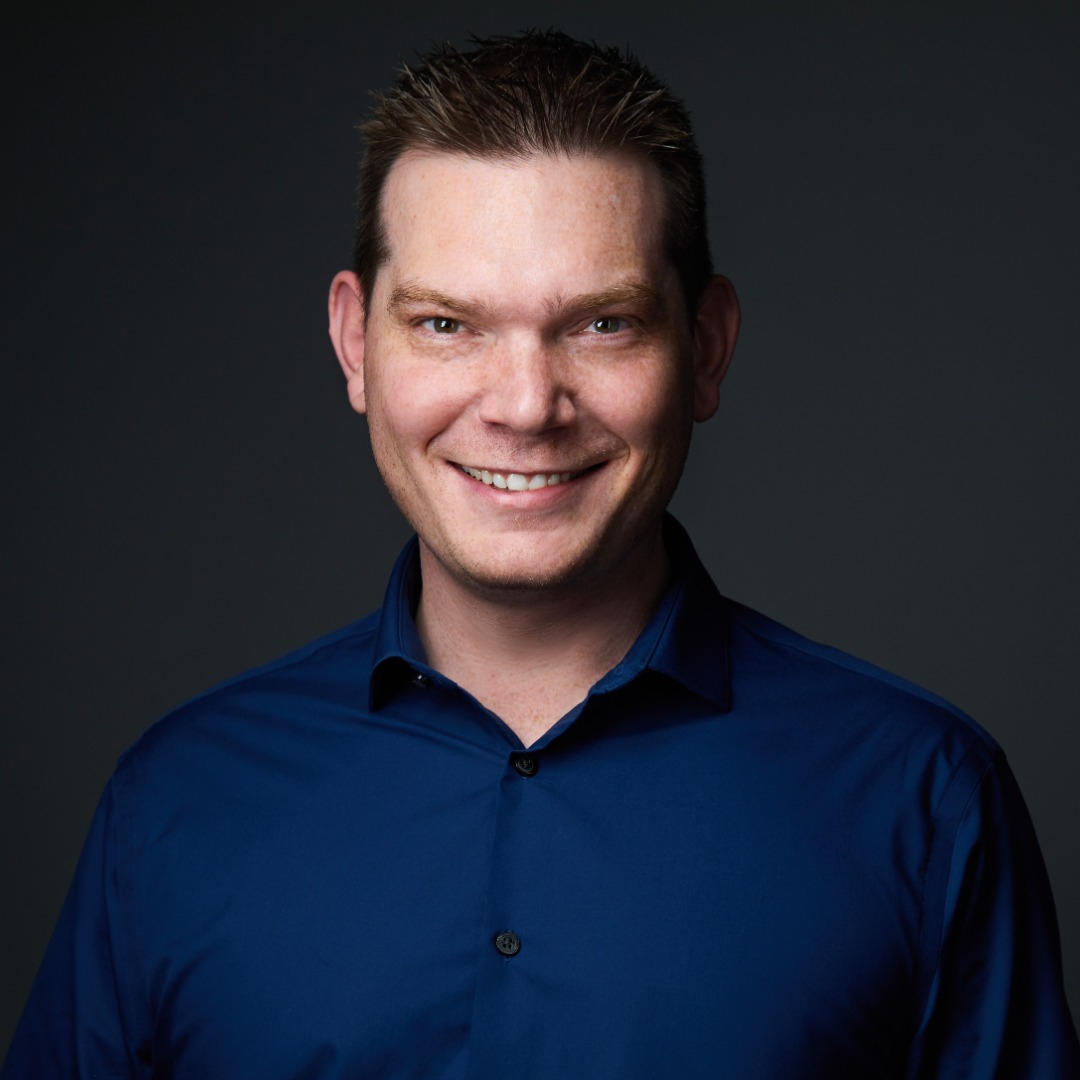
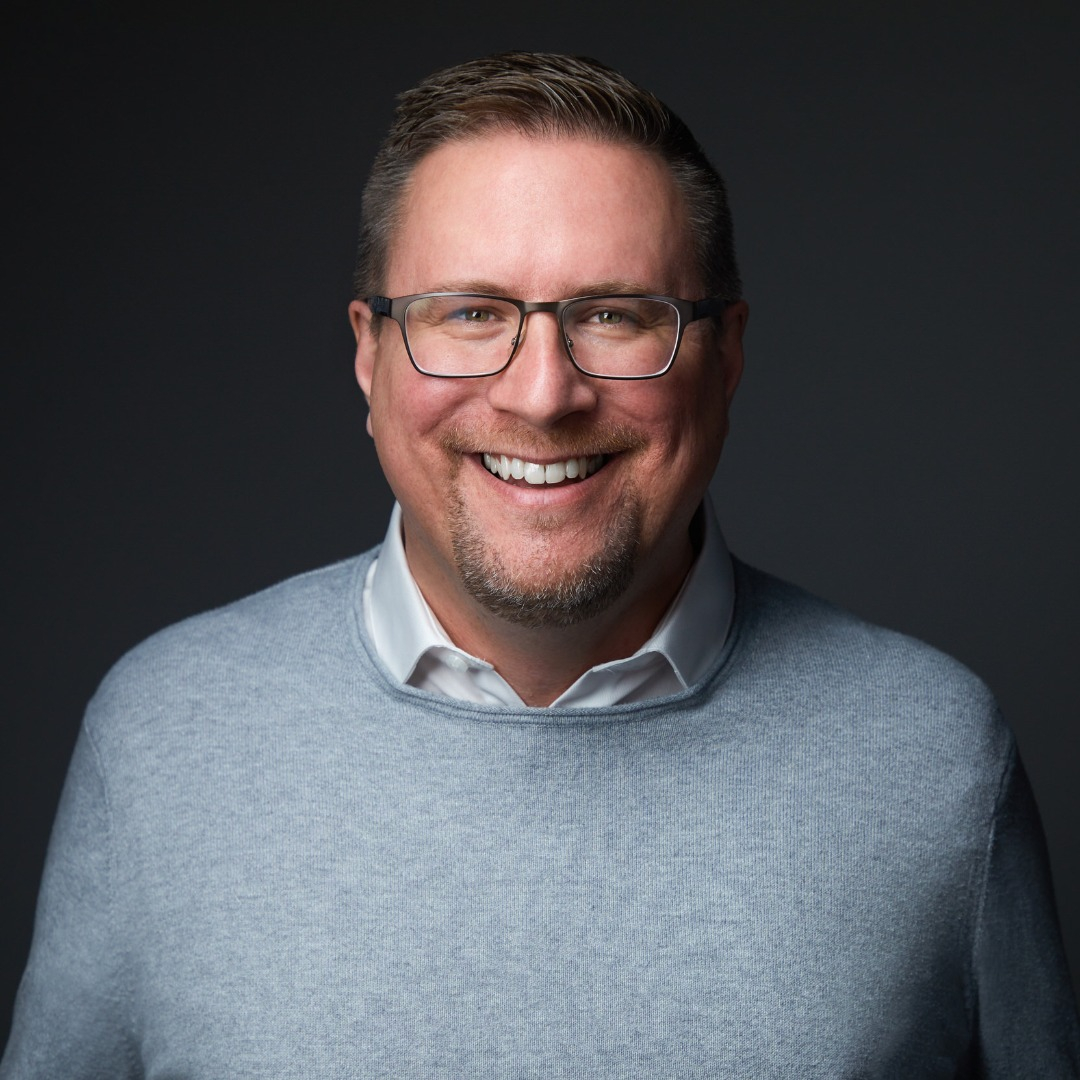
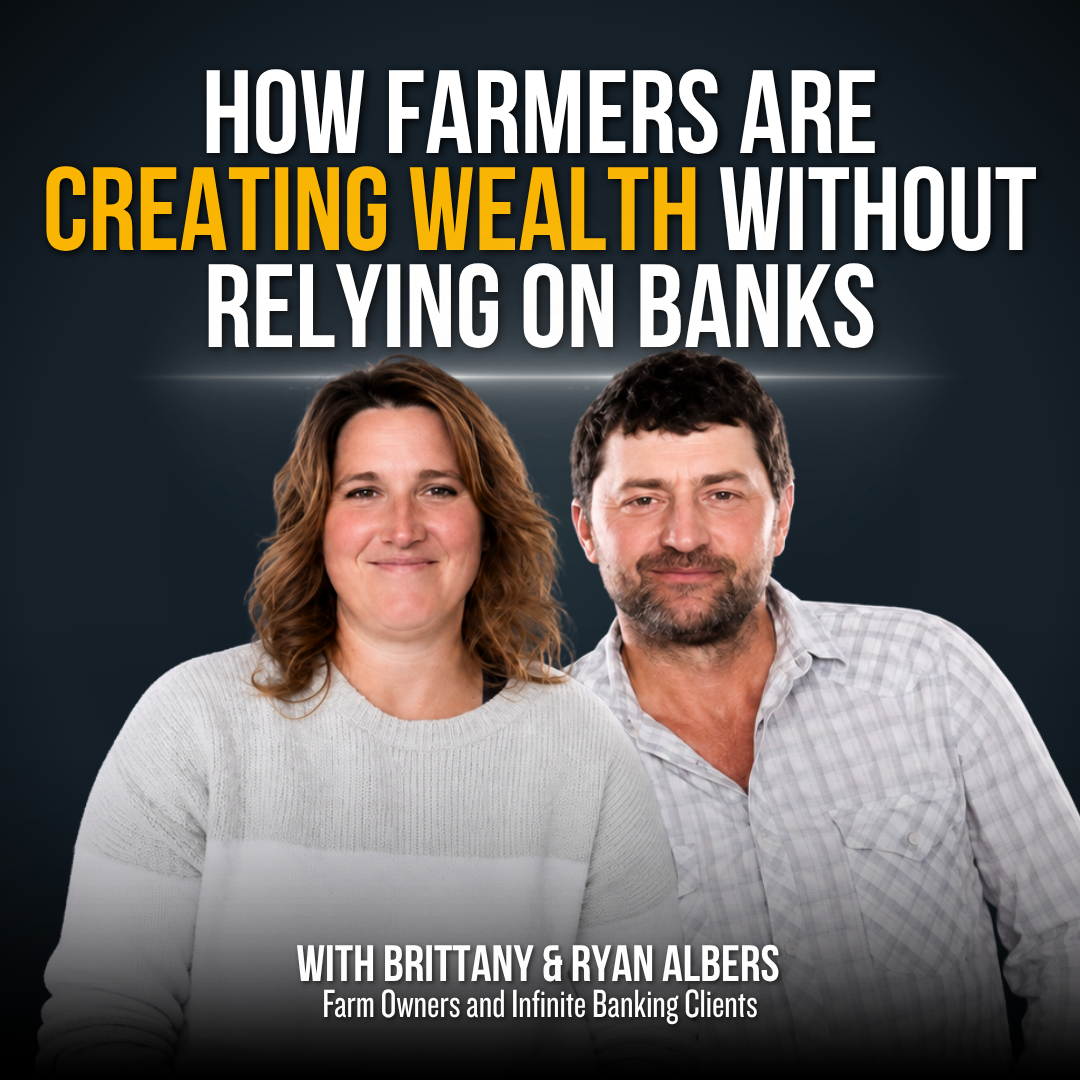
[00:01:59] Speaker B: When people think about farming, you know, they picture, you know, open field sunsets and, you know, maybe a few cows gazing in the distance. But what they don't picture is one of the most capital intensive businesses on the planet. And if you think about it like you've got millions of dollars tied up in land equipment that in some cases can cost as much as a, as a family home. You've got weather, which we were talking a little bit about before hitting the record button on the show, weather that doesn't care about what your business plan is, and commodity prices that can change literally overnight. And banks that somehow always seem to know exactly when your payment is due. And so if there was ever an industry that understood the importance of controlling capital, it's agriculture. And our guests today are folks who know that world firsthand. And Dan Allen, who's a teammate of ours, he's also the co author of Growing your own capital, an amazing infinite banking practitioner. He grew up on a mixed farm, spent years working in agriculture, studied it, lived it, and today he helps families to implement The Infinite Banking Concept. And he's just an incredible teammate and. But here's where today's episode gets even more special. He's brought along two of his clients, Ryan and Brittany, and they're building a farming operation near Strathmore and raising two young daughters. And it's what they're intentionally building for 50 years from now that is, it's going to be really exciting to talk about. And when you have a goal of leaving behind financially capable children, that is a goal worth discussing. And so today's going to be a great conversation. I think you're going to hear some really good ideas. And whether you own 1,000 acres or, or you own a one bedroom condo. And so let's, let's jump into it. Dan, take us back. What was it like growing up on a farm and how did those years shape the way that you think about money today?
[00:03:53] Speaker D: Yeah. So appreciate you asking that question, Jason. Yeah, growing up in the farm was a, you know, really, it was a blessing because I got to be there with all my siblings and, you know, we always had something to do. We were never looking for something to do. We were told what to do, come to think of it. And so it was great. I learned, you know, things that, skills that are still used today. It's like I learned to drive well before it was illegal and all those good things and put it, because you were put to work and you learned how to work and yet you did it as a unit. Like, I loved the hours I spent with my brothers and sisters, you know, just doing different things on the farm. We worked and we just kind of spurred each other on and learned lots of great things about, you know, how you could make a difference by just, you know, showing up and doing something consistently. So every morning, you know, get out there to mount that cow in the morning. It was like something you got disciplined to do. And then when it came to the, the money side of it, of course, is when you're really young, you don't think much of it. It's just like, you know, you show up, you do what you're told and asked to do, and you enjoy the lifestyle. Now as you get a little older and you go, okay, you know, you start, you know, participating in some things, you Got your own, you know, calf, or you got your own herd of, you know, or some type chickens or, you know, sometimes I had chickens. Some different things I had. And then all of a sudden you start to see, because I was, you know, blessed to be in 4H in a day. And so you had to keep track of, you know, how is that project going? How much does it cost you? You know, and so that was a good eye opener. And you started to realize how much goes in to, you know, turn in a profit and.
Well, I still remember my 4H days. And it's just like, you know, my grandfather sold me those calves at a deal, and it was still tricky to make money on them. But yeah, it was all about all the input costs and the work that on top of it.
And, you know, you, you sometimes you just go, okay, well, I broke even. That was a good outcome. But you didn't never calculated the amount of time and effort you were putting into it. It's a. It was a great way of life. Wouldn't have traded it for nothing.
[00:05:57] Speaker B: We love the 4H program. We support that every year. And we had to buy a bigger freezer.
It was like, it's like, oh, boy. O, yeah, the animal's ready and you get there and it's like, you're gonna need a bigger vehicle and a bigger freezer. But yeah, we, we love the 4H program. Ryan, I'm curious. How did you first come across The Infinite Banking Concept? Like, what, what grabbed your attention?
[00:06:20] Speaker E: It came from one of the podcasts that I was listening to.
I don't remember which one it was. It was a beef podcast somewhere, and Mary Jo Erman was on it. And then we started research in Canada, and that's when we found Dan. And when we get started here, that's great.
[00:06:41] Speaker B: And Brittany, when Ryan first brought this home, what was your initial reaction?
[00:06:44] Speaker C: Well, I wasn't real.
I didn't really understand the concept good enough.
And I did brush it off for about a good nine months, I'd say we just kind of put it on the back burner. He had suggested it, and it didn't click in my brain. It didn't make sense in my brain.
But he had mentioned it again, and I thought, well, you know what? My honey doesn't tell me things like multiple times without it being important, so I should probably figure out what the heck he's talking about.
And yeah, it was actually Dan's video that I found for Infinite Banking and Farming in Canada.
[00:07:21] Speaker A: Hey, if you're listening to the episode with Ryan and Brittany. You heard Brittany mention the powerful case study from Dan Allen. It was so good. Want to make sure you have instant access?
All you have to do is get a free copy of this book, growing your own capital. Go to growyourowncapital.com right now, claim the book and head straight to the bonus section. The case study that you've been waiting for is right there for you, completely free. You don't want to miss it. Get a copy of that book in your hands today.
[00:07:50] Speaker C: And it's. I reached out to Dan and we got a meeting with him and it all made a lot more sense. And thank God Ryan was persistent because yeah, I kind of put it on the back burner for our family.
[00:08:05] Speaker A: Persistency is a really important trait in most farmers. That's what I've found. And I also think it's interesting. Nine months, it's not the first time we've heard that sometimes people do need to gestate effectively an infinite banking baby in order to get going with the process. It does take a while to. Depending on where you're at and if you're running a busy, depending on what season it came across your desk, you were probably in the tractor out in the field in the middle of the thick of it working until 1am when you heard about it. And so at some point you need to get enough time to be able to stick your felt yourself in front of a, you know, a phone or a computer to watch a few videos and get acclimatized to the situation. So good on you guys for taking the time, number one, to, to take action, number two, to, to do that research and get clear that this is something that you could actually implement here in Canada and make it work for your farm. So incredible to be part of that journey. And, and for being receptive. It's a good tag team to make sure that you're not only making the farm more, you're making the things that are going to help the family long term create big value and create a bigger future.
[00:09:02] Speaker E: Absolutely.
[00:09:03] Speaker B: Nelson referred to it as the, the process of ruminating. He would say, take some time.
Yeah, let it, let it ruminate.
And yeah, that brings back a lot of great memories. You know, one of the things that all of us may be aware of is when Rich and I had commissioned a documentary film on Nelson and we were in Birmingham and Nelson was describing his oldest daughter who had attended university and he was sharing this story about how she was learning how to grow crops with like absolute precision.
And he shared this story where he said, you know, if I'm a farmer and I'm raising cattle and I went into town and purchased cow chow, you would all laugh me right out of the county.
He says, you've got to be growing your own cow chow. Well, shouldn't you be growing your own capital?
He said, that's just not being discussed out there.
And that gave rise to the idea for the book. When Dan did a talk at one of our family banking events and he came off the stage, I was waiting for him backstage and I said, dan, that's the book. And the impact and effect that it's having on farming families in Canada is exceptional. And so I had read some notes prior to the show, and thank you, Dan, for sharing that. Wanting to raise your daughters to have choices but not obligations. Can you expand on that? Just share with our listeners what that means to you?
[00:10:42] Speaker E: No, it's just we don't, you know, with the farm and the future transition planning, things that'll change, you know, things that are out of our control, they shouldn't be expected to have to just work hard, you know, to make everything work, if they have some options and there's a little bit more capital in their control, would make farming much more enjoyable for them and not have to just, like I say, work hard every day. Because I think those days where working harder than the next is kind of over a little bit, you know, you can't just work hard. You have to have, you know, things in place.
And also that, you know, we have two girls.
We don't know if either one of them want to farm or one of them want to farm. And then to keep the farm, a farm and intact, there has to be more options available to us as a family to give our girls. If one should not want to farm and one does, you know, and that's where this tied in greatly with our expectations and what we want to see going forward and how we want to set things up.
[00:11:57] Speaker B: Absolutely love that. That's a sharp example of thinking long range.
Yeah, thinking long range.
[00:12:04] Speaker A: I'm sure. Being around the. I mean, you don't. You don't sit around a water cooler when you're farming too much. But, you know, every once in a while you stop in the field and you pass somebody on the road and you do a wave as two tractors go by, and you do. You do find a coffee shop where two farmers get together. I'm curious. I'm sure you guys have heard a lot of stories about people who've had family transitions where sometimes a farm goes smoothly to the next generation. And I'm sure you've had some stories where you've heard that they don't always work out that way. So I would imagine some of that has influenced your decision about wanting to make sure you're set up in a different format. Is there some stories like that that have come across your guys's desk where you're just like, you know, we need to be looking at this a little bit differently.
[00:12:41] Speaker C: Pretty much everybody in our inner circles, like both me and Ryan, our fathers are still calling the shots on their farms. They're past retirement age now.
Nothing was in place, so they're just going to keep farming. They don't want to really make a plan and that's frustrating on our part. We, we're thinking about the next, next generation now, right? Our girls past our parents and it's frustrating and we need to make sure that we are set up, that we are not tied to our operation, our farm in the future because we don't think we can afford to retire and we don't want to expect our girls to pay us to retire either. That's another flip side in the ag industry, right, Is, oh, well, my kids have to pay me to retire or there's so many different scenarios. We don't want to put our girls in that situation. And if we start now, we won't be in that position.
We will be well set up for them and for our future.
[00:13:45] Speaker A: Look, farm families have so much value to pass on. But have you ever wondered how to transition the family farm to the next generation? Or maybe you're the one thinking about taking it over. Look, getting that transition right so that everyone wins takes a clear plan. That's why we created the Farm family legacy planner. And you can get it free. When you claim your copy of this book, growing your own cat capital, just go to grow your own capital.com, download the book and you will unlock all of the amazing bonuses which includes the Farm family legacy Planner. Get started building that legacy today.
[00:14:20] Speaker B: What are some of the biggest financial challenges that, you know, that young farmers face that maybe other people never see?
[00:14:28] Speaker C: Well, the sheer dollar value to get into it. If you're looking at just buying a quarter of land to start farming, that I would say in Alberta is anywhere from what, half a million to a million plus for a quarter in Alberta.
So that's a big price tag. And starting out banks, they, they're very leery with young people and those big dollar values.
So it's hard.
[00:14:55] Speaker E: Yeah, more, more than once you Know, we've been told from a bank that they'll match our capital on hand, you know, so that growth is very slow. Right. If they're not going to be willing to take a little bit of the risk to help somebody out, then, you know, our access to capital is low when you are starting out because everything is risk, essentially.
[00:15:21] Speaker A: And the farming, you know, 100%.
[00:15:24] Speaker B: And I'm curious why Dan, like, did you feel that, that he understood, you know, maybe farming, because he actually lived it.
[00:15:33] Speaker C: Yes, most definitely.
[00:15:35] Speaker E: Yeah, that connected well with that. But that's his background and he, you know, he knows what we're talking about.
[00:15:43] Speaker C: Speaks like a very trustworthy fellow.
[00:15:47] Speaker B: That is very true.
Yeah, he's, he's just a great, great teammate. And I'm honestly just, I have so many great questions. How so how has the adoption of this process changed the way that you both make decisions together financially?
[00:16:05] Speaker C: Well, I'm in charge of most of it. He doesn't really know the online stuff, so it's been a good learning curve for me. It's been an easy learning curve for me, which is also very beneficial because when he needs to learn, I, I am very capable of telling him where he needs to go to get there and get our business done.
But yeah, I guess just talking about The Infinite Banking, we became much more comfortable talking about capital and the ways we need to operate our business. Our business has evolved so far in a year where we literally just like hit everything. You don't talk about finances. That's less scary topics to now where it's just head on. We're facing things head on and the financial discussions we have is not a scary thing. There is plans, there is options, there is so many things available and I don't know. Well, it kind of excites us now to talk finances and, and we have
[00:17:07] Speaker E: a little bit more appetite for risk with the access to this type of capital over the bank. Being that that payment's going to come due in 12 months or whatever it is, where this, there's some leniency as basically a backup plan to that, okay, we needed to borrow that money. And then our caf check that was supposed to be X number of dollars is now half.
And there's not somebody saying, hey, okay, let's make that payment due today.
You know, you knew it was coming.
Whereas this, we can, you know, things happen and we can maybe it goes two years that we can, so we can get that money paid back and that pressure is off of us. So that's helping our growth faster.
[00:17:52] Speaker D: It's terrific.
[00:17:54] Speaker A: Gives you a lot more confidence in decisions, I would imagine, Ryan, when you can make that and you're like, you know what? We don't know commodity prices just went, you know, you're, you're listening to the radio in the tractor and you hear the news. It's like, oh, that, that may not be good for selling meat this season, but you've got that extra piece of confidence. I could imagine that can make a big difference just going through the rest of your days because sometimes there's a big lag time from when you're in the middle of this part of your farming journey to when a check shows up.
And in between there you can go through a couple of news cycles and just being like, oh my God, the roller coaster is just going up and down here.
[00:18:26] Speaker E: Yeah, no, that's exactly, that's exactly what I'm saying is that that long time between when you borrow the capital to when you sell what's paying the borrowed money, there's a lot that can change in that interim and it can be a big deal.
[00:18:40] Speaker C: And it also provides opportunities, opportunities that arise. Right. If we don't have that bill that is due and we can divert the cash flow to a different opportunity. That is huge for us. Like for our situation.
There was a group of yous that came available on Facebook and we wanted to jump on it.
But if we had a loan that was due with the borrowed money, we would have not been able to do it. But because we had The Infinite Banking in place, it was possible to divert stuff and change our plans and just keep going. So it was really, I think it's really important for opportunities that arise in the farming industry because you literally never know when they are coming up.
[00:19:25] Speaker D: And that's. And it's been fun too to work with Brittany and Ryan because I've got calls just about simple things like that, just asking questions around it and, and they're genuine. That's what I love about working with ranchers and, you know, just being able to see that, you know, they're, they're looking at opportunities and would this make sense or would that make sense? So it's been a, it's been a lot of fun working with this couple because they just ask good questions and, you know, that's what I appreciate about, you know, people that I get to work with that are really invested in making a difference for themselves and their families.
[00:19:56] Speaker B: That's a common theme with farming families that we're blessed to serve. And the questions are they're they're often affirming, hey, here's what we're thinking of doing. Whether it's an opportunity to purchase additional land or to purchase additional equipment, or to purchase additional livestock and to take advantage of a high caliber opportunity.
And it's just affirming it, it's like, okay, so we can, we can access this policy loan for this amount, right?
[00:20:26] Speaker A: Yeah.
[00:20:26] Speaker B: Okay. And we can take advantage of this opportunity, right? Yep.
How can this be so simple?
How is it that it's this simple and then when we see, you know, things change in the marketplace and we're just obviously proactively in connection with, with our farming families that we take care of and say, hey, how are things coming along? It's like, well, you know, things are a little bit different than what we had forecasted and planned this year. But you know what? We're going to be okay. We're going to be just fine. Because we're not pressured to meet that repayment schedule that someone else was accustomed to putting together for you. You're in a position of total and absolute control now. And what a peaceful, stress free way of life that becomes, especially the larger that your system grows as it does every single day. And it's just, it's always refreshing to hear that because starting a farm is not an inexpensive proposition. Maintaining one, let alone growing one, and having to deal with all of those potential obstacles that are going to come up. Right. That are weather triggered, economically triggered, circumstances that are outside of your control, but yet you've got all your capital growing uninterrupted day in and day out. Isn't that good?
[00:21:44] Speaker A: I'm curious, Brittany. You know, you found this flock on, on Facebook, I think Bark Place, which is phenomenal. And so how many additional sheep did you guys add and is, you know, because I grew up with, you know, sheep and we had, you always have to feed lambs when you have unfortunately one you dies during lambing season, all that kind of stuff. So I've got a lot of fond memories of that. And I'm just curious, how did the opportunity cross your desk? Were you looking for it or just one day you're just like, oh my God, this, this could really help us if we had this. Like you add this on and then are you guys selling lambs at market? Is that the objection objective that you've got?
How is that going to translate into a great business for you?
[00:22:20] Speaker C: Well, yeah, we weren't looking well. Ryan has been doing the sheep feedlot thing and feeding lambs for his whole career here. So I'm not the sheep person. I was just scrolling on Facebook one day and we both ended up seeing this flock for sale out of Saskatchewan. And we both toyed with the idea it was a purebred flock and we knew the genetic potential in the door sets was there, and it was just too good of an opportunity to pass up. We thought, oh my God, these things are way overpriced. But that opportunity for those genetics was never going to come around again.
So the sellers they were, I think they moved out east and we wanted to jump on it, and we sure as heck did. And so glad we did.
[00:23:08] Speaker E: And it. And it did take our farm business to the next level or a different stream, because that was our first into the purebred genetic end of things.
And so when you talk about our marketing opportunities and stuff, it expanded that so that maybe we can do something on the genetic side down the road.
[00:23:26] Speaker A: You're able to now niche certain elements of your farm that you couldn't do before.
And the potential of the value proposition, enterprise value for the farm goes up as well because of that, which is, you know, very logical. I mean, that's a very strategic decision that you don't see across Facebook every day and you're not always able to capitalize. And, you know, Nelson would talk a lot about the scene versus the unseen. You look out the window and you can see probably some fields, some fences and some sheep. Well, that's what, you know, your farm operation is. And when you look at an insurance policy contract, what you can't see is what opportunity to go and get a flock of sheep that's genetically exactly what you're looking for. That doesn't show up, you know, on the contract illustration, unfortunately. So it's what happens outside of the policy contract. That's where the real rubber hits the road. What happens inside can actually be kind of boring. Still cool, still interesting. But it's what you're able to do with it that really matters.
[00:24:17] Speaker B: Dan, I'm curious, you know, when you got underway in working with Ryan and Brittany, what. What have they already done? Well, that. As it relates to the implementation of this process, like, what have they done? Well, that. That other farming families could. Could benefit learning from.
[00:24:37] Speaker D: Yeah. So I still remember, you know, first time we met, it was about when you talk to people for the first time, you're just trying to find out, okay, so where are they on this journey? And so you're asking questions related to what they're doing. And, and when I remember when we started to meet it was like, okay, they'd already done lots of good research, so they understood that there was something that, you know, they could be doing differently and they could, they could sense that if they could build access to capital, it was going to help them in the short term and so much more in the long term. So when I, I just remember distinctly, it was just like really an enjoyable first few meetings. Just digging into what they hope to achieve, what objectives do they have in mind? And things that we've already talked about came up like they were thinking about the transition, not only their farm, their ranch, but also the ones that they're, you know, related to and both sides of their families. And so it was a real part of the journey. They'd already been through, they were thinking through those kind of elements. And so they were already at that place and they're just like, okay, so how can this concept idea of Becoming Your Own Banker helped with a lot of those things. So it was, it was really enjoyable. And, and you know, mindset is everything. And people that are open minded and really have started to do some real soul searching and thinking about, you know, how do we make this work in the long run? And that's where I found they were at. And it was just so, so enjoyable to work with somebody that's got that mindset already going.
[00:26:09] Speaker B: That's great. And Ryan, Brittany, I'm curious. We always ask a similar question dependent upon the profession of clients that we're interviewing.
If people out there who are listening and watching this episode, other farming families and they're thinking to themselves, well, we'll get going after harvest or we'll revisit that in nine months, what would your response be?
[00:26:38] Speaker C: Just do it.
Just take time. Figure it out. Do it.
[00:26:46] Speaker E: Yeah. Cause I'm sure you, you guys probably hear it all the time, you know, from your clients, that we should have started it sooner. You know, we, you know, we wish we could have, you know, you, you look at what that even that nine month delay, which was good, it was good that we researched and you know, dug into it and knew a little bit more what we were going to get into and what we were talking about, but just that alone, that nine months, what difference that would have made in the planning of the policy and everything else and the outcome down the road in many years to come, don't wait.
[00:27:24] Speaker A: That's great advice.
[00:27:25] Speaker C: Plan it accordingly.
I think our situation, we did have to wait a little bit because our policy payment is due at a certain time of year and we wanted to make sure that we could always cash flow our policy premiums.
That it was a caf check coming in I think is yeah, we had options set to sell a calf at a certain time of the year. We had the maximum time to allow us to market our livestock accordingly and not be strapped. Because originally we did want to jump in at that nine month park which I think was like September, October and that was just a little bit too early for us. It didn't give us much options for marketing cabs.
[00:28:05] Speaker B: That makes sense.
[00:28:06] Speaker C: So we're like, okay, we gotta step back for a couple more months. We've gotta hold our horses here and wait. But that would be one thing. Think through when the cash flow is coming in to make sure that policy premium is always paid. And it's not a stressful. Oh man, I gotta pay my policy right.
[00:28:21] Speaker E: I gotta pay my premium when, when you're starting this. Because it is a jump, right? It's a, it's a, it's a big leap from your normal farming cash flow to adding something like this in it. It does take a little bit of doing to get it started.
[00:28:38] Speaker B: That's great advice, great advice.
[00:28:43] Speaker A: You never know when you're going to learn a new skill and it has to start with the first step. So that's really important. I know for a lot of our clients who have cyclical incomes, they're not like farmers. It's inconsistent. You have certain times of the year where certain markets generally happen and there's these huge lags and there's a lot of businesses who operate maybe not the same extended time frames but, but similar up and down models. And what's beautiful about having such flexibility with some of these policies is that there's, there's a required amount and there's an optional amount and you get to choose when in the year you want to put that optional amount in. And that can create a lot of opportunity. And I know I was on a conversation just the other day with someone who we backdated a policy and so the date backdating was a good idea. It made sense. But the date isn't necessarily convenient with their annual cash flow. But they can borrow from the policy, get it loaded and then they can focus the extra cash flow on paying the loan back throughout the year. So there's ways of using it almost like an internal bridge financing model. And there's so many different ways to make things a reality once you get to practice with it and you see how it all works. And that's where things get to be a lot of fun I know for Dan, myself and Jason, we have a lot of fun with it, but it's just amazing to see how many different ways people are using this. And I'm always intrigued by the way that farmers are. I mean, you're adding a flock to your farming operation is a great story that I hadn't heard before. So I love it. I think it's amazing.
Now Dan, when it comes to some of the conversations you guys have had, I mean, obviously you've done some incredible planning. One thing I'm really curious about is thinking about that second generation element. Now Brittany, you'd kind of mentioned how not just farming conversations, but, but money conversations, cash flow conversations. What do we have available have become a little bit easier since you've gotten started with the process. You've been doing coaching with Dan.
Where do you guys think that the, the impact of that is going to start showing up as your, your daughters begin to age and get more involved in the operation and helping out around the farm and seeing those discussions take place? How do you feel that that's going to transition over time?
[00:30:44] Speaker C: Well, I hope they're a lot better set up for their future than we were set up. We were both naive to finances. It wasn't something that was talked about really when we were younger.
Finances were always kind of that hidden topic.
And I don't know, we're always talking straight to our girls. Our oldest, we think she's a very intelligent little girl, but we're a little jaded.
But yeah, we want her to be hearing the verbiage and knowing the systems and like she knows that we take a cow from the farm, it goes to the auction mart or it goes to somebody else's home and then we get money and then she can then spend mommy and daddy's money to buy fun stuff for herself. Right.
So I hope just for the future of both the girls, they understand how the cash flow works and how The Infinite Banking works, that it can really benefit them in the long term. And, and in the short, short term, it's not just a long term game that The Infinite Banking offers for us, it's short term as well, all day long.
[00:31:48] Speaker B: And I'm curious, Brittany, on that. So one, one thing that I personally, you know, I like to ask, especially regardless of how early a family is in their implementation, what. So what is maybe just one financial worry that you've both been able to let go of since adopting this process?
[00:32:10] Speaker C: Essentially that the bill isn't due at a certain date and time that that policy loan can be paid back at any point.
The land loan that when, I don't know.
I bought a quarter of land before I met my honey here. And every year it's just a dread. I did not set it up well. I was pretty young when I set that up and I didn't have the best guidance financially. And I set it up at literally the only time of year where there's no income coming in. It was the dumbest time. I thought it was the smartest time because. Oh, there's no bills. Yeah, there's no bills because I had no money coming in.
So I think that would be the biggest thing is there's so much flexibility that it gives us all these opportunities and we're not set to selling one of our commodities because we're strapped to it. We absolutely have to, to make a bill payment. It gives us a ton of opportunities to market way differently than I did in the past.
[00:33:13] Speaker E: For me, it would be the, the, the transition piece for our farm going down the road. What we talked about earlier, you know, we've seen it, we've seen bad scenarios, you know, we've seen some good scenarios, but we've seen bad scenarios. And you know, if we raise the girls on a farm for the, you know, the lifestyle, lifestyle of it, and then one of them decides to go elsewhere and the one that decides to stay, we're going to say, well, now your lifestyle is going to be cut in half or we have to sell it all to give, you know, equal isn't fair, fair isn't equal type scenario, you know, so that there's that exit strategy on our transition, you know, or that if both girls decide to stay, that we're not demanding things from the farm at 70 years old so that they can grow the farm better, you know, faster and not have to worry about mom and dad and us dragging them down with all our healthcare needs and everything else that we do have other options.
[00:34:20] Speaker B: You know, that's again another sharp example. Thinking long range.
[00:34:24] Speaker E: Love it.
[00:34:27] Speaker A: One thing I'm always curious about and we have a lot of different resources available. We have our client membership site, you know, a ton of webinars and things of that nature. Sometimes it's tricky to get, get acclimatized or jump on some of those events when you're in a tractor or herding sheep somewhere on the farm. But I would imagine that you guys have had access to utilizing some of those things. I'm always curious, what would you say was interesting or surprises you about just the access to all the different Resources that you find are available now that you're in the process, you have access to connect with Dan, Dan's assistant, connect with some of the education that we have. The podcast itself, what would you say has been really beneficial for you guys in the journey and having access to
[00:35:10] Speaker E: some of those tools beneficial is that it's there. It exists. We can do it. We can get it. You know, because before meeting with Dan, we didn't know any of it was there. We didn't know that that help was there to help us do what we wanted to do and get where we wanted to get and give us the knowledge to make the proper decisions in getting there. So I would say it's all of it, that it's just there for us to get to and the knowledge for us to continue learning. You know, the podcast, I listen to that. You guys talk to other people and how they're using it, you know, gives you ideas on how we could implement different strategies.
Yeah, that would be my answer.
[00:35:50] Speaker B: Yeah, it makes all of the. It makes all of the time and the energy to create it worthwhile. And so we genuinely, genuinely appreciate the feedback. And for everybody who's listening and watching where you engage in the comments and. And you provide us with those insights that come up for you, those are all content ideas for Richard and I. Like, we go through those things and we go, oh, we've got to do an episode about that. Or, you know, this. This triggers maybe here's somebody that we would love to interview and. And maybe expand on something that a listener commented on. And I'm curious.
So, Ryan, Brittany, so what.
What family value do you hope survives for generations?
[00:36:35] Speaker C: Oh, that's kind of tough one.
For me. My would be that the succession of a farm isn't a dividing thing in a family, because I know from my side, it's. It's a sore spot for me.
I've been on the farm since I left college. I got two other siblings. One is farming with her husband doing great, and one is a mechanic doing very well for himself.
But my parents want to do everything fair, and that kind of. I've been there the whole time. Like, fair isn't real feasible.
So I'd really hope that us implementing this does not put future generations in the same spot I've been in, because it has. Personally, it's divided the family a little bit.
Nobody will talk about it, but it has. It's been a thorn in my side. And you just.
There's ways to do everything in life. You just need to find them this is a perfect example. The Infinite Banking for farm families to retire to settle multiple siblings. If they want to create fairness, however they want to structure succession without it being a big dividing thing in the future for their family. I don't want our girls to go through that. One wants to farm and the other one doesn't.
Perfect. If neither want to farm. Perfect. Whatever they want to do. But there's not going to be a family divide over the business that me and Ryan are, have started. There's. We're not going to put them in that situation where they feel their time was undervalued or not appreciated or whatever the circumstance might be.
[00:38:26] Speaker B: Infinite banking for farm families. Sounds like a book title Dan.
[00:38:33] Speaker D: Credit to Brittany. Trademark Copyright Brittany Inc. Yeah, well she, there's some of the stuff that we put in our book that you know, she inspired. So yeah, I even sent her a message saying, hey, can I use what you shared? And so, well, we may have a
[00:38:48] Speaker B: future co author on our hands.
[00:38:50] Speaker A: My copy of Dan's book is so far back here that you can't even see it. And I'm pointing at. But
[00:38:56] Speaker B: oh, that's so good. And if your daughters, if they only remembered one lesson from you, what would you want it to be?
[00:39:05] Speaker E: Mindset, you know, open mind.
And like what Brittany just said, you know, anything's possible.
You know, if, you know, we had just had a closed mind and you know, done has always been done, we'd still be, you know, just going to the bank begging for money and hoping that they, they see it our way and want to give us a little bit so that we can work harder and continue on, you know, so yeah, that would be, that would be one thing that I really want the girls to see is an open mindset at all, all levels, you know, and that'll, that'll get them a long way, I think.
[00:39:49] Speaker B: Sure will.
[00:39:51] Speaker C: I have tried convincing our older generations to do The Infinite Banking and even the younger ones, Ryan's sister, siblings, yeah.
Jumped on ship. She had been toying with it. So we're like, yay.
But my side, no, no, there's just, oh, those insurance policies, they're a big old gamble. And it's like, yeah, some are, yes.
[00:40:17] Speaker E: And all the older generations, they don't have a pretty life insurance policy. Right. You know, they've only been paying into it for 100 years and you know, to turn 75 for premiums to go up big time. And that's their big plan, you know, so it's the open mindedness of that.
[00:40:35] Speaker B: It tends to catapult into the no longer affordable category exactly when the coverage is needed the most. Isn't that interesting? Because that, that whole notion of, well, things will be so successful, everything will be fine financially, you simply won't need the insurance coverage. I personally, whether it's a farming family or otherwise, even if the family was the least bit effective at producing something successful, long range.
Long range is when the coverage was needed the most.
And so it was just, it just boggled the mind that, that that type of thinking started to come predominant out there. And I would say, Brittany, so credit to you and to the both of you for talking about this with people that you believe would benefit from the gift of what it can provide. But the message is more caught than it is taught. That's the one thing that our late mentor, God rest his soul, we think about him, we miss him every single day. The late Art Nelson Nash, he pioneered, developed The Infinite Banking Concept. And he would often say the message is more caught than it is taught. And. But once you catch it, you'll know exactly what to do.
Yeah, Isn't that good?
[00:41:53] Speaker E: Yeah, it is. I would agree with that. 100. Yeah, man.
[00:41:57] Speaker B: I miss him.
[00:41:58] Speaker A: And if you guys obviously spreading the message with members of your family also in the farming community, I'm curious if you know, you've been listening to the podcast, probably driving in the tractor. So someone else is driving around and they happen to get a wind of this or it gets sent to them and they're listening to the podcast. They're a farm family, they're in their own tractor. Probably need some maintenance, maybe an oil change. Maybe they're looking at a new combine. What, what exactly would you, would you want them to. To, to recognize or see? What, what resource would you say would be a good resource for them? Should they pick up a copy of Becoming Your Own Banker? Should they get Dan's book here? Growing your own capital, by the way. They can do that. They can go to growyourowncapital.com and get a free version of it if they want.
What would you say be it'd be a good domino with the first tipping element for them to, to get really started down the process and maybe give them a leg up on getting started where you guys, you know, weren't sure necessarily what you should do and you had to go find Dan. What would be the right thing for them to do that you would recommend?
[00:42:58] Speaker C: I would recommend. There was a video that dan had on YouTube that, that was the first video I'd seen It was Dan, and it was a farming couple. I don't remember the name, but there was all the examples. He had the numbers laid out and where the policy is going to be in 5 years, 10 years, 20 years, what all that looks like, how it was compounding, how you could use it.
I needed to see the visual, the numbers, not just the talk. You can talk, oh, it does this, but that's not going to stick in my head. I needed to see those numbers, see how it's actually working financially in somebody else's system.
And that is what clicked with me. And that made the jump super easy. I could see the numbers. I could see what Dan was talking about.
So I'm more. I gotta see it to believe it.
[00:43:48] Speaker B: That's great feedback. Thank you.
[00:43:51] Speaker E: Yeah, and I think. I think that it would be, you know, Dan's book, all the books and the podcast, you, like you said, got a lot of. You got a lot of windshield time, a lot of tractor time, time by yourself, you know, and, you know, our example of the waiting nine months of putting it aside is if you read the book, you listen to some of these podcasts, build your own confidence around it and knowledge to move forward with what works for you, you know, and your family, and. But use that time, you know, going up and down the field to, you know, build your knowledge and confidence with it yourself before reaching out to somebody.
And that was a big deal for us.
[00:44:35] Speaker B: Great advice, Rich.
[00:44:37] Speaker A: Well, guys, this has been a ton of fun, and we really appreciate you not just committing to your own circumstance and your own family and your future. I mean, you know, we like to say that the future is as big as you want to make it. And I can see that you guys want to make it a big one, which is great, and you're really putting that generational impact in place, which we absolutely love here. And we encourage all of our viewers to think in the way that you are, but in the spirit of that. While, of course, neither of you showed up with a. With a cape on today, certainly not one made out of sheep's wool, you do have livestock. You're. You're feeding the world with the efforts that you put forward through the combinations of all the hard work the farmers go through. And so you. Many people may not know it, but when they're going to the grocery store and they're loading up their cartoon, they've got a hero and a farmer to thank for that effort. And so our question for you guys is, who would you most wish to
[00:45:24] Speaker C: be a hero to our girls would be my answer.
[00:45:29] Speaker E: Yeah, that's. That's definitely first for sure, as our girls, our family.
But, yeah, I guess that would. That would be the answer.
[00:45:45] Speaker B: Well, Dan, thank you for.
Thank you for the incredible work that you're doing with farming families. And Ryan, Brittany, thank you for letting us into your story. And to everybody who's listening and watching, whether you're driving to work or sitting on a tractor or just walking the dog or enjoying a nice, relaxing cup of coffee, thank you for spending time with us. And we always share, much like what Brittany was describing earlier, just wanting to talk to people about this concept, and if. If this episode has triggered some. Some different thinking, share it with somebody that you care about, because sometimes the most valuable thing that you can pass along isn't money. It's. It's an idea that might change the way that a family thinks about money. And so, until next time, keep asking great questions, think in long range, and live intentionally. And so this was a lot of fun, everybody. Thank you.
[00:46:51] Speaker E: Thank you. That was great.