Episode Transcript
[00:00:00] Speaker A: I remember when I was going through the book the first time, the concept of trying to make the 10% if you are able to save, to max it out in terms of growth, but that 90% which is already leaving you always, you don't think about that.
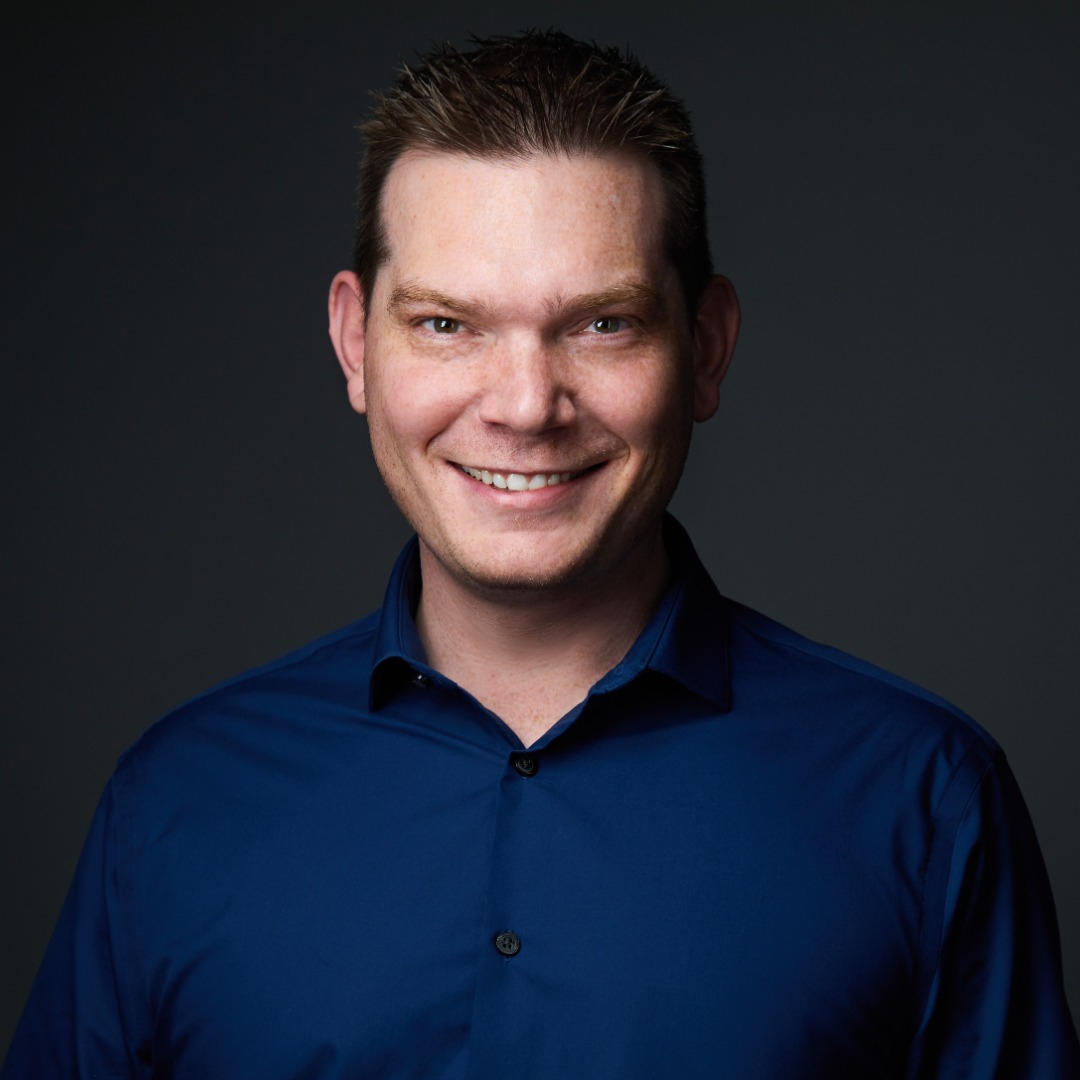
[00:00:14] Speaker B: Ravi Kampf, he spent more than 25 years building businesses across different parts of the world, including 13 years living and working in Hong Kong before eventually choosing Canada as home and becoming a proud Canadian citizen.
[00:00:27] Speaker A: So that was an eye opening moment for me to look into what is actually a system which we can maximize the impact not just for ourselves, but for the future generation, for our next generation as well.
[00:00:40] Speaker B: Welcome back. Today's conversation is one that I think, oh, in fact, I know a lot of people are going to connect with, especially advisors, entrepreneurs, business owners who spent years working hard, making money, but maybe quietly wondering, what does financial control really, truly feel like when it's not so difficult?
And I would say that our guest today understands that firsthand. So Ravi as we know him, Ravi came, he spent more than 25 years building businesses across different parts of the world, including 13 years living and working in Hong Kong before eventually choosing Canada as home and becoming a proud Canadian citizen. And I just want again, viewers and listeners just to pause on that for a second. So if you think about somebody who's lived internationally built businesses, experienced different economies, different financial systems, different cultures, they begin to see patterns. I was asking Ravi about that earlier in terms of conversations that he's having with prospects. But I think one of the biggest realizations that Ravi had was that, you know, making money was never the hardest part. It was learning how to maintain control of cash flow in a way that allows your wealth to continue compounding and instead of just leaking away. And so a lot of entrepreneurs watching and listening, they know exactly what this feels like. Money comes in, it goes out, gets taxed. There's debt, there's expansion, there's life, there's pressure, all of these things.
And meanwhile, nobody's really ever taught how to actually create financial control. And that's what eventually led Ravi to discovering The Infinite Banking Concept, to coming aboard the ascended financial team, to having a remarkable impact on the prospects and clients that he's already blessed to serve. And he's working closely with families and business owners to not only protect the people that they love the most, but to really build generational wealth through education and practical strategy. And if you're an advisor watching this episode, maybe you're somebody who's been quietly observing ascendant financial and wealth On Main street, from the sidelines, you're wondering what kind of people are inside this scaling organization in Canada and the United States, what kind of culture exists here and what actually feels like to grow inside of this environment.
Ravi's going to help us answer a lot of those questions. And so Ravi, welcome to the show.
[00:03:18] Speaker A: Thank you.
[00:03:19] Speaker B: Thank you.
[00:03:19] Speaker A: Jason and Richard, Pleasure to be here.
[00:03:22] Speaker B: And after building businesses in different parts of the world, what did you begin noticing about money that most people completely miss?
[00:03:30] Speaker A: That's a great question.
I believe it is more about what we don't know, about how money works because businesses most of, most of the time they have cash flow, but then most of it is always leaving us. You have the income, you spend it on various things and it is gone forever. How to have that control is one of the biggest thing people do not know. And I would believe that, that it would be much beneficial for them to understand something different. What we have been traditionally taught by, by society and by systems.
[00:04:07] Speaker C: And how did you find, Ravi, those. You know, again, being a person who's well traveled and spent a significant time in other parts of the world, how did you find that the, the way people are taught in other cultures versus what you've experienced since you've been here in, in Canada and North America specifically. And you've not just experienced from your vantage point. You're a, you're a great observer. You're a great, you're an observer of people and conversations. You like to learn a lot. And so you see things and see patterns and systems really effectively.
What's really common and consistent in all the places in the world that you've been and what are a couple of the differences?
[00:04:46] Speaker A: When we are into something, we cannot see the bigger picture. We can only see the bigger picture from a, from a different angle. So in terms of entrepreneurship, like when somebody is running a business, most of the time their focus is on making money and growing the business. So the pattern that I see, and especially I noticed this when, when I had one of the scenarios in which my friend who was having a great, great business, but his dependence was so much on banks that slowly and gradually things were to a point that he was trapped in that situation. He was having great revenue, great flow of money, but then most of it was always going away to the banks. And that was an eye opener for me in terms of looking into a way I knew there is something different, something better, but I didn't knew about it. So it was the search for that thing, search for that knowledge. Because nowadays Information is plenty. Like you can find it on Internet. But what is real finding that is the key thing.
[00:05:48] Speaker B: And when you first discovered The Infinite Banking Concept, what, what clicked for you initially? Like, was there a moment when you thought how is it that nobody taught me this earlier?
[00:06:00] Speaker A: I remember when I was going through the book the first time, the concept of you are trying to make that 10% if you are able to save, to max it out in terms of growth, but that 90% which is already leaving you always, we don't think about that. So that was an eye opening moment for me to look into what is actually a system which we can maximize the impact not just for ourselves, but for the future generation, for our next generation as well.
[00:06:31] Speaker B: Why do you think the concept resonates so strongly with entrepreneurs?
[00:06:35] Speaker A: Because of the cash flow, because of the money always leaving. Because how much we are taking home after working so hard, it's not a
[00:06:42] Speaker B: whole lot, especially early in the entrepreneurial journey.
And so this definitely changes that trajectory, right, Rich?
[00:06:51] Speaker C: Yeah, absolutely. And it's. We were on earlier recording a different episode around another entrepreneur, a business coach and spend time as a real estate agent. You know, they're not generally trained how to operate a business. They're trained to go learn how to do contracts and how to do some negotiation and you know, how to serve a client, but maybe not on how to manage the vast degree of changes of a commission revenue.
And there's these huge ups and these huge downs and these big swings and those swings can sometimes, you can kind of get lost in those. And sometimes if you've ever been on a swing and it's going really, really high and then really high the other way. But you know, it's time to go home and you got to get off the swings. Well, you have to wait till it comes down to some measure of balance or would you try to jump off, you might break a leg.
And I think that that's what happens in a bit of a business trap for people as they grow, they start having some success and then, then it, then it swings the other direction. It's like, oh, now we got to do damage control. Then it goes back to here and they get caught in those big dynamic swings that happen.
[00:07:54] Speaker B: It's very true, very true. And you know one thing, Ravi, that you know, we always, we love to, to ask our, our teammates, given that, you know, there, there are options in this industry, what stood out to you the most about Ascendant?
[00:08:08] Speaker A: What Funny that you mentioned that now my experience with the whole life was back way back in 2009 when I had my first whole life policy.
[00:08:19] Speaker B: Oh, okay.
[00:08:20] Speaker A: And it was back in Hong Kong.
And at that time I was also not ready to get this policy. But then because when I approached banks for some facilities and stuff, they wanted me to have that. So it was a corporate own policy.
I was paying corporate dollars into that. And that was when I moved here to Canada.
I surrendered that policy. It was maybe 12, 13 or maybe 14 years down the line that I surrendered that policy, not knowing how to use it as a system. And I had a couple of those for my family as well in personal capacity. So I surrendered that all. One, because it was a little difficult managing those policies back in Hong Kong when I moved here.
Two, I didn't knew a better way about using the system.
And once I came across this concept, once I came across the content that you guys have on YouTube, which is, which is awesome, like it helped me raise my knowledge to a great degree.
Just going through this content and then at that time talking to my advisor, my coach, and then getting more and more clarity on this concept.
And it was just a gap of maybe six months that I closed this policies before I met and knew this concept.
[00:09:38] Speaker B: When you think about Ascendant as a team, like what, what stood out to you the most?
[00:09:42] Speaker A: I believe everybody in the team here, they have a service approach.
Yeah, they want to serve first and then everything later. And it is the, and you can feel it like when, when you're talking to your coach, when you're talking to an advisor, they want the best for you based on where you are in your situation, in your life, in your financial structure or financial capabilities.
So that is something that stood out immediately.
And again, I was approached by different companies, you probably know those names.
And that is where I came into an understanding that insurance is something which can be a good career here.
But then I, I was not willing to go that route because my experience with that was not very great. Again, I had some intuition that there, there is something better look for that.
And when you look about this concept, The Infinite Banking especially in Canada, Ascendant is, is the obvious name that comes up in terms of how much value you are giving to your clients, in terms of education, in terms of coaching and everything along the way.
[00:10:54] Speaker B: I love, I love hearing that you
[00:10:56] Speaker C: went from having an experience with insurance, surrendering insurance, wanting to learn more about getting insurance, to then deciding that you would get into the industry.
It's really interesting the trajectory that you've been on.
And what would you say was the thing that made you decide, Ravi, that this was something you wanted to do and have it as more of a career choice rather than just reestablishing insurance protection for your family. There's kind of a difference between you doing this at the personal side and how it matters to you personally and then making a decision that this is actually something you, you do want to do and you need to be a part of an organization. There's, there's a, there's a decision making process that happens there. What, what was the thing that tipped the scales for you?
[00:11:39] Speaker A: Yeah, so before this I was working with coaches and consultants in the US market.
Now, as you understand, as you know, probably now there is everything in, in the US Everything has a coaching.
There are coaching for stock markets, there is a coaching for X, Y and Z. I was working with those coaches and sometimes at the end of the day you don't feel good about because you know that that person was not actually helped. And my decision to join this team and come into this industry was that I want to have a good night's sleep knowing that I have helped somebody in a way that I will help my family member. Because again, like you can make money in so many different ways, but then there is a one person who is making money knowing that, that he's not doing the best for the other person. And one knows that, okay, he has done everything that he could to uplift that person financially or any way in, to a different level. And that is, that was my decision to join this team and to serve in this industry.
Because one of the things that we see that these things are not taught in the schools. We work so hard, most of us work so hard, like in jobs and businesses to raise our families, to help our families. But then at the end of the day, when it is time for retirement, we have nothing to show up for. So elevating the knowledge and actually helping the person, that was the key factor for me coming into this industry and actually working with this great dream.
[00:13:17] Speaker B: Along that line, based on, you know, everything that you just shared, what would you say to an advisor who's watching this, who feels stuck where they currently
[00:13:30] Speaker A: are stuck in what ways?
[00:13:32] Speaker B: In, you know, the, the organization they're with, the, the trajectory of their career, they just feel stuck overall. What, what would you say to an advisor watching this, who feels that way?
[00:13:44] Speaker A: I would say that it's your choice. You can stay stuck or you can listen to your heart, you can listen to your gut feeling and make that decision. It's always a choice and it is about the control, not just in the professional lives, but also in the financial lives as well.
[00:14:01] Speaker C: Very, very interesting.
And you've been around many different kinds of organizations. You mentioned also spending a lot of time helping other coaches in different industries. And that's a big part of some of the things you've been doing. Prior to this. What would you say was a surprise or something that was stood out for you? Ravi, now that you've been on the team for a while, you've gone through a process, you've got a ton of education, you have access to weekly meetings and coaching opportunities. What, what are some of the things that stand out for you as far as what you're able to tap into, like from a. From resources and things. What really, what is it that really gets you either excited or really interested in knowing what you have access to, to tap into someone trying to grow your own practice?
[00:14:49] Speaker A: I don't have to reinvent the wheel. Everything is here. I just have to follow.
And the good thing is that whatever I'm following aligns with my values as well. Alone you can probably run, but you cannot go that far with the right team. You can travel miles without feeling tired after the workday. It doesn't feel like a workday because you are amongst your teammates who are. Everyone is willing to give, everyone is willing to share. So serve.
And the mentality here in this organization is just give.
[00:15:20] Speaker B: So well put. And if you were to look ahead into the future, Ravi, what is one thing that you hope your clients are saying about you decades from now?
[00:15:31] Speaker A: I hope they say why I didn't meet you earlier.
[00:15:38] Speaker B: That's good.
That's a good thing to want to have them say. And what kind of, I guess what kind of feeling comes up for you personally? Like when you get to help a family or a business owner and they finally catch it, right? They catch The Infinite Banking Concept and you feel that, you see that, you just know that they're going to do great things in the implementation of the concept.
What does that feel like for you personally?
[00:16:08] Speaker A: It's a great feeling because they're not just changing their own lives, but if they know how to use the system, they probably will teach it to their, their kids, their other family members around them as well.
So it's not just, just lifting one life. It is, it is a ripple effect that they have in their families to lift generations and do better for what they have been financially before.
[00:16:34] Speaker B: That's powerful.
[00:16:34] Speaker C: Yeah, I dig it.
You know, it's a lot of, a lot of Content, a lot of opportunities, a lot of opportunities for your clients now to get access to learning. You mentioned how powerful or helpful some of the YouTube content was for you and your, and your getting started. Art, what are you hearing from the clients that you speak with? Ravi, the people you're talking to on the phone or Zoom meetings, and how are they finding that information? How is the, you know, the Nelson's book, how is the YouTube content or the podcast, how is that helping people on their journey? What, what kind of comments do you hear from people about it?
[00:17:10] Speaker A: With Internet, with YouTube, there is a lot of information and not all information is relevant to everyone.
So when we talk to the prospects, we. When we talk to the potential clients, we help them understand what they need so that we can point them in the right direction about consuming that content. In particular, what would be helpful for them. That way they are more focused on solving the issues and understanding about that particular topic that they want help around. And some of the clients have told me like they have been watching a lot of content, but then again, when we specifically point them towards something that they want, it's much useful to understand the concept and then look into how they can implement it in a way which would be useful for them.
[00:18:02] Speaker C: So the degree to which you have capacity, the opportunity to give them more tailored experience around what they can learn is what really stands out. And you're finding that once you're in conversation with them and you learn more about what's, what's going on for them personally or what their objectives are, yes. You now, you now are empowered to know that you can tap into those resources. You know what? I think this is what you need to go into. And you know, let me send you a couple of quick resources and then you have an opportunity to reconvene with them to see how that landed, if that helped expand their, their understanding of the concept a little bit deeper. Is that what I'm understanding 100%.
[00:18:38] Speaker A: And it is not that they have to come back to us if they don't want to.
[00:18:43] Speaker B: Right.
[00:18:43] Speaker A: It's. It's definitely a choice at that time. And whenever they are ready, whenever they have, they have questions around that we as coaches are there to help them take their journey forward. And it's on their choice, like they control the timeline on that.
[00:18:58] Speaker C: You know, I really love that you mentioned the journey. We talk about the journey every once in a while. But I think what I realized is that sometimes people, they want to book a meeting or book a call or jump on and they're already at the destination or they've predetermined the destination that they're looking for, but they didn't even realize that they're actually on a journey.
You know, when you, when you get into your car and you know, I just moved to Calgary, Ravi. We live in the same city and of course we were talking about this the other day and I grew up in Alberta, but I didn't spend a lot of time in this town. And it's grown a little bit. You know, my father always says it's going to be a great town once they finish unboxing it. So it's always expanding and growing and then you have to figure out, okay, well how do I get from A to B? And everything is 20 minutes away because it's such a spread out city. So I, hey, I rely on the gps. I use Google Maps and it's really, really helpful for me. It allows me to focus on just getting there and paying attention to the road and not looking at, you know, looking at a map.
But there's still a journey involved. I have a destination, but I still have to get in my car. I have a starting point. I have to go somewhere. I think we find sometimes people, they want the short answers or the quick answers because I think that'll do it. And they think in 15 minutes they can figure out how, how infinite banking is going to solve all their problems or whatever. And they don't realize that they don't even know what journey they're on yet. You know, they're predetermining a destination, but they haven't actually explored what, what's actually much further beyond that, that they get to have a good conversation with their coach about.
And my gut tells me those are the conversations you enjoy having. Ravi, am I on track with that?
[00:20:31] Speaker A: 100%. And the concept is Becoming Your Own Banker.
And you cannot be Becoming Your Own unless and until you have walked that journey. You have been through that journey of learning and then implementing the things. Because I can give a solution to somebody, but it doesn't help them because if they just have the solution, they don't know how to use it. And this is 100% a journey. And this is not just about getting a policy and then forgetting it, not touching it the way that I used to do with my other policies in Hong Kong, but then using it as a system so that you get the most out of it and benefit it while you're living and not just waiting for the death benefit to show up.
[00:21:12] Speaker B: And so when you Personally, like Ravi, when you think about the next five to 10 years, what excites you the most?
[00:21:19] Speaker A: The direction we are heading of spearheading education first and then working with the people who are actually willing to take financial control of their own lives. Because we can't push then something, somebody across the bridge. We can meet them halfway and we can help them cross the bridge, but then they have to show up, they have to put in the work, they have to educate themselves. We are here to coach them and help them along the way.
[00:21:46] Speaker B: That's spoken like a true teammate and so true. Everything begins with education. That's, that's at the core, you know, of what we do. And as you reflect on, on your, your journey, you know, on building businesses and all the different, all the different experiences that you were exposed to, I would imagine that you find that easy, right when you're speaking to a fellow entrepreneur. Entrepreneur, somebody who's building a business regardless of what stage of the business building that they're at. If it's startup or sustainable, durable, or if they're planning to scale the company.
I would imagine that that's, that's a comfort conversation for you.
[00:22:27] Speaker A: Yeah, I've been through different stages in, in business.
Sometimes it is the cash crunch, some it is extra cash flow that you have. You don't know where to put that money, where to get the most of that money.
So it's, it's about figuring it out in a way that it is a long term strategy. It's not just one time, one day kind of a situation. And over here in North America, like we do have different business benefits that we get in business.
So people do not know about that. The business owners do not know about that. So just pointing them in, pointing them in the right direction of learning first and then they decide whether it is the right fit for them or not.
[00:23:07] Speaker B: Well, if you, if you think about learning, so how, how important has coaching been in your own growth on the ascendant team?
[00:23:18] Speaker A: Without a doubt, without a doubt it has been super, super helpful for me.
[00:23:22] Speaker B: In what ways do you feel like you've grown since becoming a part of the team?
[00:23:27] Speaker A: I believe seeing the future in a way that there are a lot of growth opportunities and staying ahead in terms of technology, staying ahead in terms of systems, staying ahead in terms of leading with education and most importantly, serving the clients first.
[00:23:46] Speaker C: Absolutely love that some people like to use technology to do less work. I think here our focus is how do we use or leverage technology so we can serve more people. And so it's actually, how do we, how do we increase the amount of work that we have and what we're able to do so that we can create capacity?
There's a lot of effort to serve clients and it's great, it's extremely rewarding. But it, you know, there's, there comes a point in time when as an insurance advisor, you get to a point where you have so many clients, it becomes, it can become more difficult to serve them. So having access to tools, resources, things that allow you to operate with a little bit more, I don't know if speed is the right word, but maybe just efficiency, you know, more efficiency allows you to continue doing that in a really robust way. There is so much opportunity that's available to certainly in US and in Canada.
I'm curious when you think about opportunity because of your world experience, Ravi. You know, I'm not sure, I don't recall how many years you've been in Canada now, but you know, it's, it, it's still relatively new. I think you're maybe a decade or so or what haven't you've been here?
[00:24:54] Speaker A: Yeah, about eight years.
[00:24:56] Speaker C: Eight years, right. So. So you, you've, you've had such an interesting life experience. Something I've never, I, I don't have the context.
But living abroad and changing and shifting your life and making home in a new country, you have to learn rules and customs and what people normally do, a little bit about the weather, you know, and so you also have to learn about their financial systems and their lingo. And so I mean, Canada, it's RSPs and these types of things in this, in the States, they what they talk about 401ks all the time and it, and it almost commands the conversation of every financial discussion. In a typical, Even if you're around the traditional water cooler where the coffee machine in a business setting, people are talking about their 401ks or their RSPs.
You had an interesting experience being exposed to different types of structures and financial things that people thought were popular in other areas of the world. Is it still really important that people want to get, you know, the, the tax qualified plan or the government plan, or are people looking for ways to do things more on their own?
As an example, in your time in Hong Kong, did you find it was different experience than what you've experienced since you've been in North America?
[00:26:11] Speaker A: In Hong Kong, the tax structure was a little lenient in terms of you not paying that many taxes. So, so the kind of RRSPs that we have here, it Was not. Not very popular over there because you. You were not trying to save taxes in the first place.
But over here, we have been taught a certain way and people go for it because they do not know other options. We all follow what we have been seeing all through our lives. So, Nelson, one of the rules that he has is keep an open mind, be willing to learn.
[00:26:50] Speaker B: That's it.
[00:26:51] Speaker A: And if you just keep your mind open and if you look for how it can serve somebody in different capacity, there is always a way. But the first step is to look for that way, to educate yourself, to understand the things deeply enough so that it is not just yes or no, but how.
[00:27:12] Speaker B: I love that. We love to know from our teammates. You know, when you're thinking about always building a future that's bigger than your past, and we'll have you back on the show down the road, but right now, today, what makes this career worthwhile for you?
[00:27:29] Speaker A: Uplifting my financial education and helping others. And one of the things that I learned early on in my career is if you help others get what they want, you always get what you want.
[00:27:41] Speaker B: Isn't that the truth?
[00:27:42] Speaker A: It is 100% truth.
[00:27:44] Speaker B: The one thing that I love the most among many is, you know, watching. Watching teammates grow, grow in their capability. And, you know, the learning something new is one thing. Teaching it is something altogether different. And so what has been.
What has been the most fascinating for you in teaching people?
The Infinite Banking Concept.
[00:28:10] Speaker A: That's interesting. One of my cousins, he is a maths teacher.
[00:28:14] Speaker B: Oh, okay.
[00:28:15] Speaker A: He has been teaching the same stuff for so many years that he is a master in that. Okay. It is the reputation that makes you better.
And when we are teaching these concepts to other, it is not just we are teaching. We are picking up something new each and every day. So I want to keep learning. I want to keep growing in my cap capacity, in my capabilities, so that I can help everyone along my journey.
[00:28:40] Speaker B: Love it. On that note.
Yeah.
[00:28:43] Speaker C: Very, very good. Well, I got one more question I'd like to. To inquire because every once in a while, we talk about some of the resources we have for our clients. Obviously, you know, people who watch the podcast know we've got podcast episodes and videos, and we're doing the Real Talk Fridays, and we've got our bankers vaults. We have all these resources for folks. We also have our. Our client coaching sessions, which we do quarterly, and we have our membership site that our clients have exclusive access to so they can learn a ton of things. They can learn how to, you know, what are some template emails on how to communicate with a life company they can understand how to create their amortization, how to track their loans and all this kind of stuff that we provide.
And then we even have information in there about some estate planning things, how to prepare for your final days, what happens if somebody passes away and how can you deal with that? We have just a whole, literally a massive gamut of items.
What do you find has been the response when you talk to people or you have a new person who's decided to embrace this? They've gone through an application, you're having that first meeting with the Ravi and you're showing them some of the resources, you're giving them a tour around the office, right online, virtually.
What is kind of the feedback and response that you get from folks who get a chance to now peek under the hood and see what are all the things they have access to that can help support them on that journey?
[00:30:02] Speaker A: I believe this is where we differ because I have people who said to me that they have bought insurance before and most of the time that is the last time that they have the conversation with their agents. But over here, this is just the beginning of the journey because it's about giving them all the information and not just giving them information. We are available for them as and when they need it, about what they are implementing along the way as a coach, as a guide, as an advisor.
[00:30:33] Speaker B: Sounds pretty good.
[00:30:35] Speaker A: It's amazing.
[00:30:37] Speaker B: And you know, we've got, we're well above 3000 five star Google reviews that agree with everything Ravi just said, 6,500 plus clients across North America and we're mentioning in each one of our episodes because our listening audience between the United States and Canada is incredible. We're very grateful for all of our viewers and listeners and we're just sharing with people.
We operate sea to shining sea in the United States and in Canada as Ascendant Financial. We have an incredible team. That's the team that we continue referencing.
And Rich and I utilize the wealth on Main street forum so that we can have a voice, a voice that really resonates with people. And, and we just shine a big bright light on the truth. No sensationalism, just ridiculous simplicity. And the marketplace is reminding us now on a daily basis practically about how much they appreciate that. And Ravi, we, we were having this discussion before we hit the record button. It's, it's the very same feedback that we're getting. And so it's so nice to hear, you know, a teammate that is just really aligned with values and, and with a desire to really help people by actually helping them.
[00:31:58] Speaker C: Well, and I, I think we do a good job of helping people recognize that. Well, it's almost like, you know, we've been beating the drum as it, as it were, around the importance of responsibility. You mentioned it as well today, Ravi, that you, you know, the analogy of walking across the bridge and meeting someone halfway. I really like the way you stated that there's a critical component of interactivity, of, of effort that's required from a person who chooses to do this. We don't want to hide that. We want it. We want to elevate that. Because the more that you embrace, if you're listening, that aspect of you doing this. So whether you're an advisor looking to do this and build your own practice, or whether you're just a person who's got a family, it's got a W2 or a T4 job, or you're a business owner, you want the ability to have the control, the keys to the kingdom in your hands.
And the reality is they've always been there. It's just maybe you didn't know what the key unlocked yet.
And our education is going to help you discover that. And so that you can now embrace entering that doorway and see, you know, the bright sunshine on the other side. Which is. Which is the story of the world that you're building and creating for your financial life. It's an evolving, ever growing process.
But you have to, you have to do the work. You have to be involved in the process. You can't let someone build your bigger future for you. It's up to you to build that bigger future. And Ravi, I think you really recognize that, and that's probably one of the things that maybe drew you in to, to our organization. We're blessed to have you. And I think that's. Jason, what you're identifying is what we seem to be getting verified on a pretty repetitive basis here lately. I mean, it's always kind of been there, but we weren't always asking the question. Now we're just being more. More. We're more direct about asking the question. Like what. What brought you to us? Well, you don't BS me. You don't blow smoke, you know, at us, and you're actually saying the truth and you're, you're letting me know that I have some work to do and I'm prepared to do it. So people who aren't prepared to do that work seem to not book a lot of calls with us, which is fine.
[00:34:06] Speaker B: It's very true. It makes way for people who understand this is about Becoming Your Own Banker.
And Ravi, today was great. Rich, take us home, man.
[00:34:19] Speaker C: Ravi, such a cool life experience. I can't wait to learn and unpack more about the, the stories on just A1, on one basis with you about some of the things you learned, your time in Hong Kong and everything. And I appreciate you being, you know, raw about having policies and you surrendered them, and then six months later you're getting new ones because you didn't know. I mean, that's, that's, that's the real world. And not everyone even feels comfortable or safe to. To say that. So the fact that you're sharing what's true for you and indicating that, I think is really powerful. It's a big statement about the kind of person that you are, the individual you are. And so obviously you're doing a great job helping clients. But I'm just really curious to know, who is it that you most want to be a hero to? Jason's painted five years and 10 years out. I just want to go, you've got your superhero cape on, you're globe, trotting around the world, helping businesses all over the place.
Who is it you most want to be a hero to?
[00:35:14] Speaker A: Most importantly to my kids, who I want to.
And I am imparting not just the values, but understanding finances in a way that I was never taught. Because at the end of the day, like, money is not the most important thing, but it does carry a lot of weight in what you are able to do in your lifetime. And the more blessed you are, the more you can help people around you.
So it's just about lifting everybody.
[00:35:44] Speaker B: Ravi, this, this was awesome. And I think, honestly, what I, you know, what I appreciate most about our conversation about your story, it's, it's just very well grounded. I mean, you've lived in different parts of the world, built businesses and experienced, like you mentioned, you know, pressure and all the, the things that entrepreneurs go through.
And after all that experience, you've arrived at something incredibly simple but powerful like money. Making money is important, but controlling capital changes everything. And I think that, you know, people who watch this episode are definitely, you know, feeling they're, they're feeling that now there, there's entrepreneurs or advisors out there who might be doing well on the surface, but internally they know there's, there's another level available, Rich mentioned around systems. And you talked about mentorship, and we talked about better thinking and conversations and alignment and sometimes all it takes is hearing someone else's story and thinking, okay, maybe I'm not stuck. Maybe I'm just in the wrong environment.
And that's a big realization. And that's really what Ascendant is all about. And so I think for anybody listening, like, you don't have to have everything figured out before making a move toward growing. And that's why most people's lives change, right? They become willing to enter a new room, to have a brand new conversation and to think about their thinking. And so, to Ravi, to everybody listening and watching, thanks for spending time with us. Keep growing and recognize there's always something new to learn. There's no such thing as having arrived in knowledge. And because your future, honestly and rich, Ravi and I can attest to this, your future really can become bigger. I think the moment that you're thinking this today was fun.
[00:37:47] Speaker C: A new room just opened up on the screen. If you're watching on YouTube, just go ahead and grab the door handle and click on that video and you'll enter the new room.
[00:37:57] Speaker B: Well said. Thanks, guys. This was a lot of fun.
[00:37:59] Speaker C: Cheers.